Culture
Live samba, modern art, football passion, and coastal city energy.
It starts with a simple idea—one word people instinctively understand: visit. Around the world, that word carries weight. It signals exploration, discovery, and movement. It tells people exactly what to do without needing explanation.
Now combine that with something much bigger: BRICS—a name tied to a powerful group of nations reshaping the global economy.
Put them together, and something interesting happens.
The result is not just a name. It is a signal
VisitBRICS.com feels like it already exists in people’s minds before they ever encounter it. It feels like something that should exist—something inevitable, something that belongs. And that feeling—instant recognition—is where brand authority begins.
VisitBRICS.com doesn’t feel like just another website. It feels like a destination in itself—a gateway. The kind of name that doesn’t need to explain what it is, because people already assume its importance.
That’s where true brand authority begins
A Name That Feels Bigger Than It Is
The strength of VisitBRICS.com isn’t just in what it says—it’s in what it implies.
It suggests scale—not one country, not one city, but an entire network of nations, cultures, and experiences connected under a single idea.
When people encounter the name, there’s an immediate assumption: this must represent something official, something central, something important.
That perception—formed in seconds—is what marketers call instant authority. And it’s incredibly difficult to build. Yet here, it exists naturally.
The Space No One Owns—Yet
But the real story isn’t just about the name. It’s about the space around it.
Right now, that space is open. And in open fields, the simplest, clearest idea often becomes the one people remember.
VisitBRICS.com is still a starting point—a blank canvas. But that’s exactly what makes it valuable.
Because it isn’t tied to a single function or limitation, it can evolve into whatever the market demands.
What began as a domain may become something much bigger—a living ecosystem.
“For those interested in the brand—whether for acquisition, partnership, investment, licensing, or other collaborative opportunities—please feel free to reach out to us at [email protected]. We are open to discussions that support long-term growth and strategic alignment.”
Brazil is a welcoming, energetic destination with iconic beaches, lush nature, and joyful cultural traditions. Use these practical tips to move confidently between regions, experience local flavors, and get the most from every stop.
Culture
Live samba, modern art, football passion, and coastal city energy.
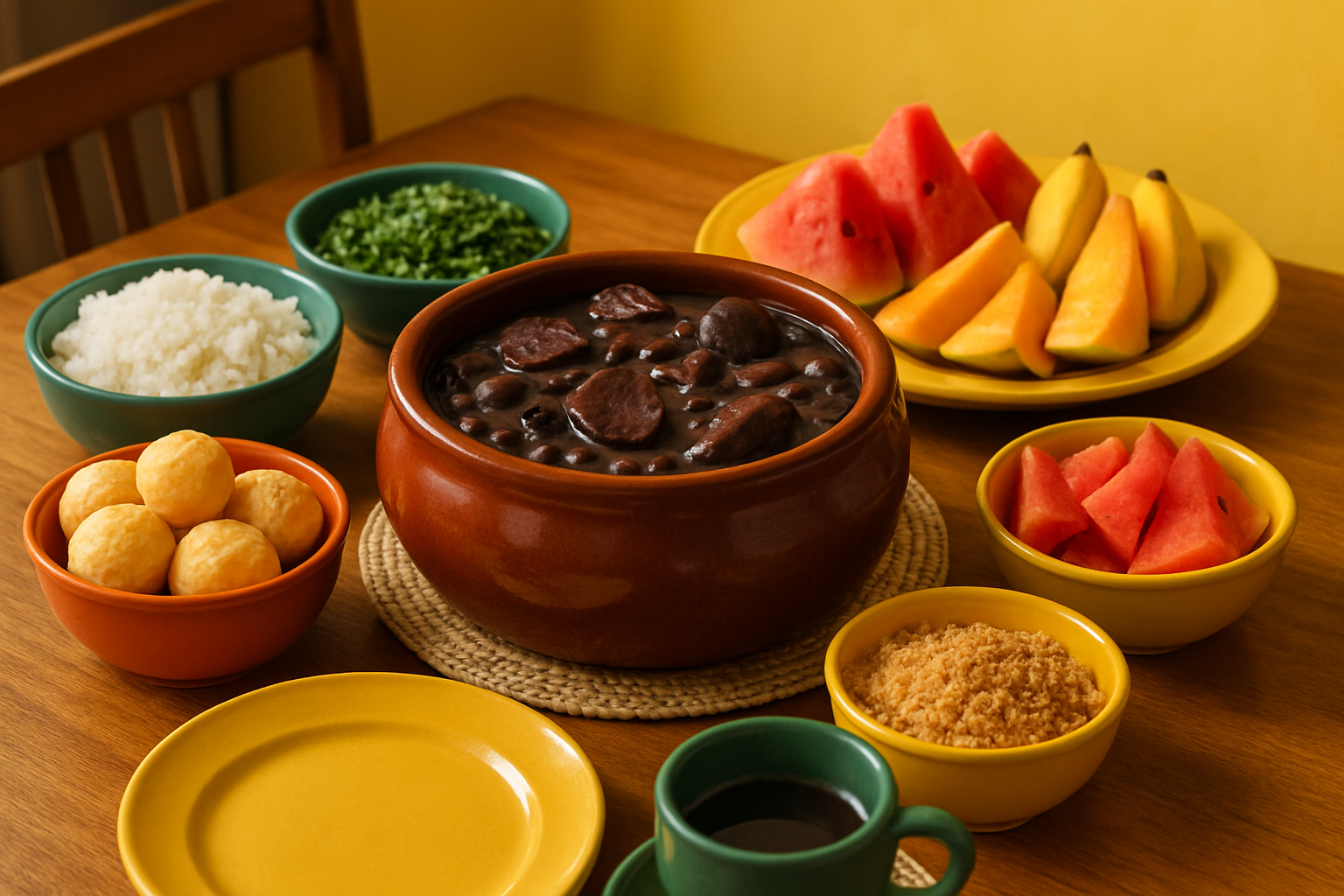
Food
Feijoada, churrasco, açaí, and regional street markets.
Nature
Amazon rainforest, Atlantic beaches, and dramatic waterfalls.
Festivals
Carnival, Festa Junina, and Afro-Brazilian celebrations.
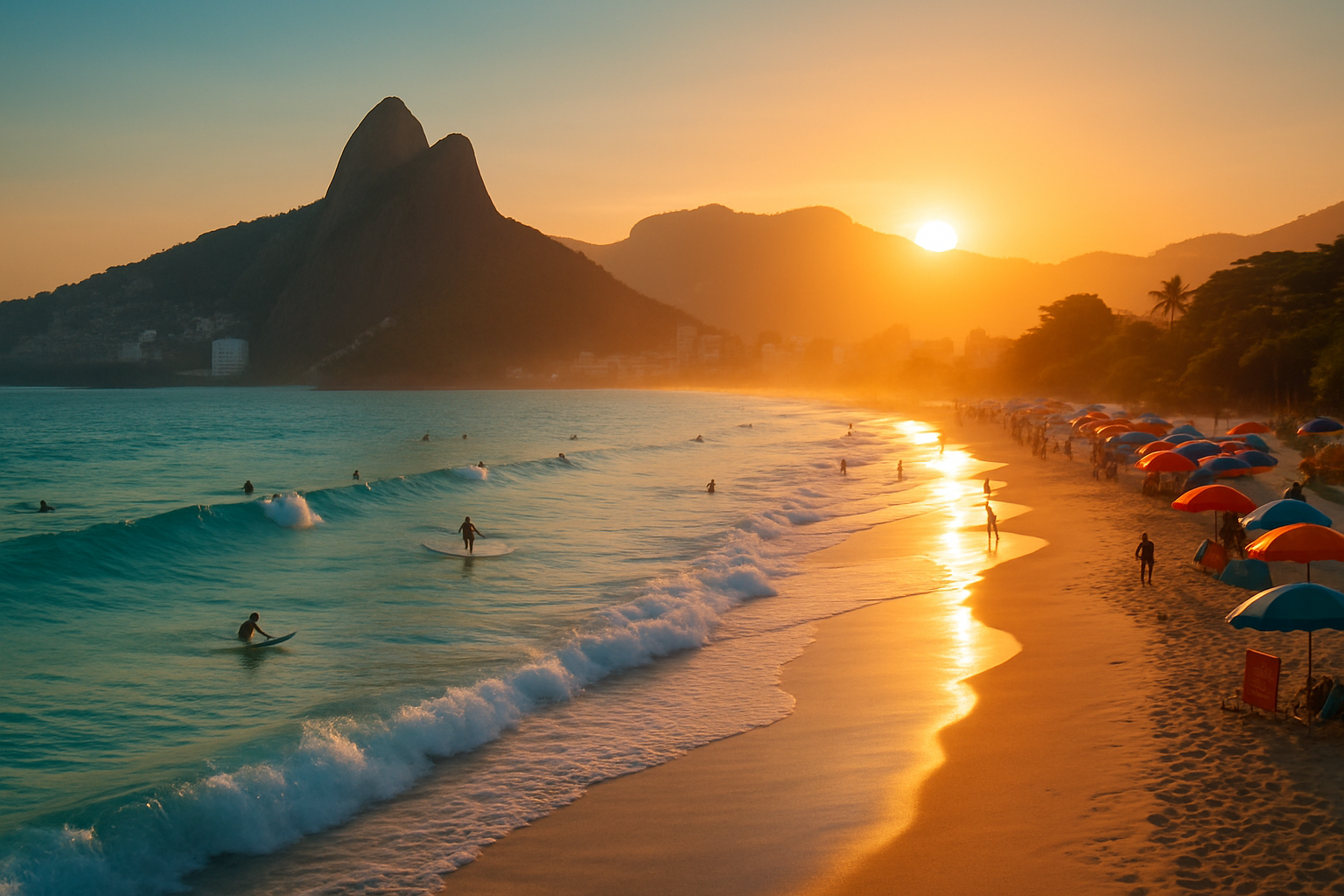
Iconic beaches, dramatic mountains, and Christ the Redeemer views. Perfect for culture, nightlife, and scenic hikes.

Brazil’s culinary and arts capital with museums, design districts, and global dining scenes.
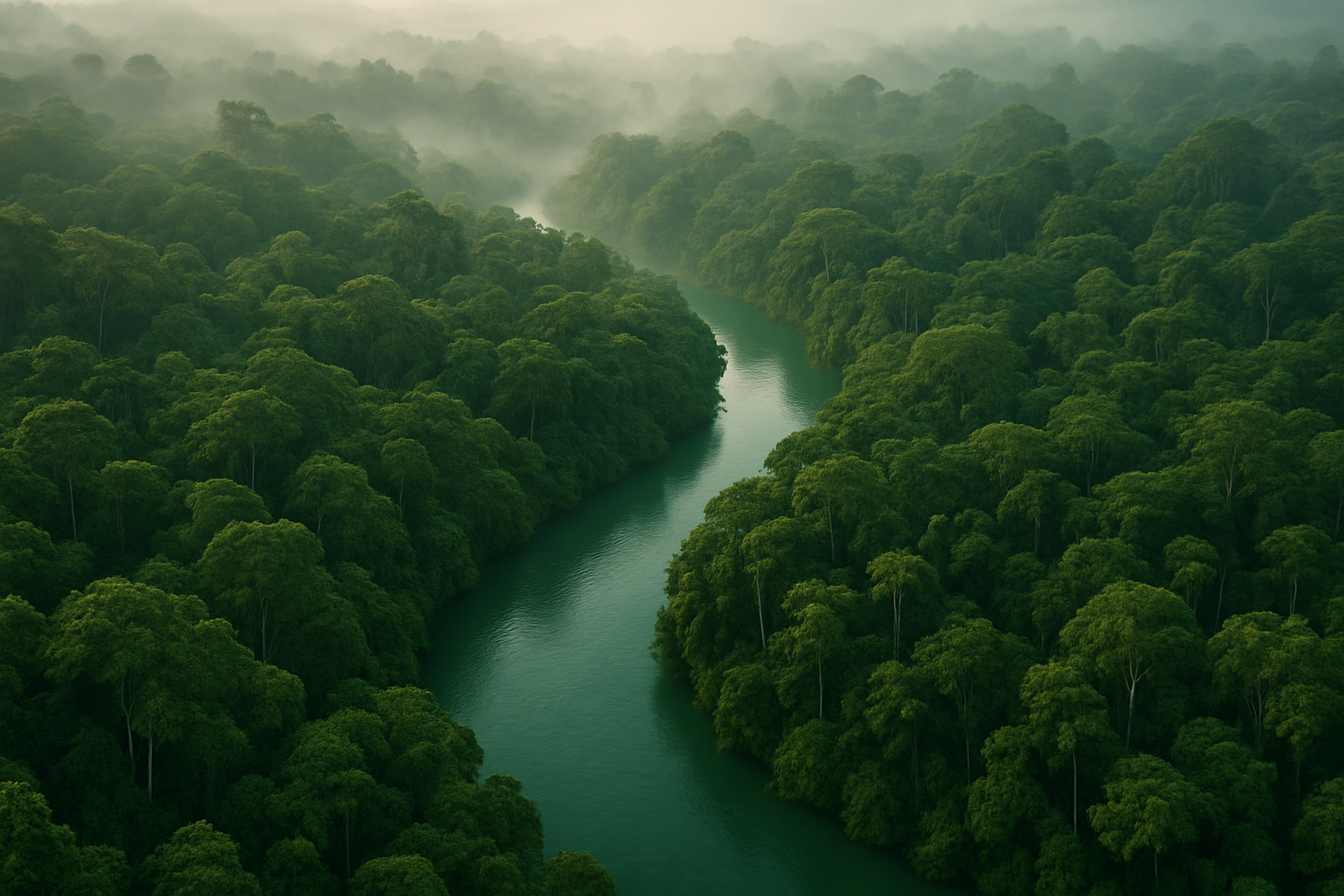
Wildlife encounters, river lodges, and guided forest walks in the world’s largest rainforest.
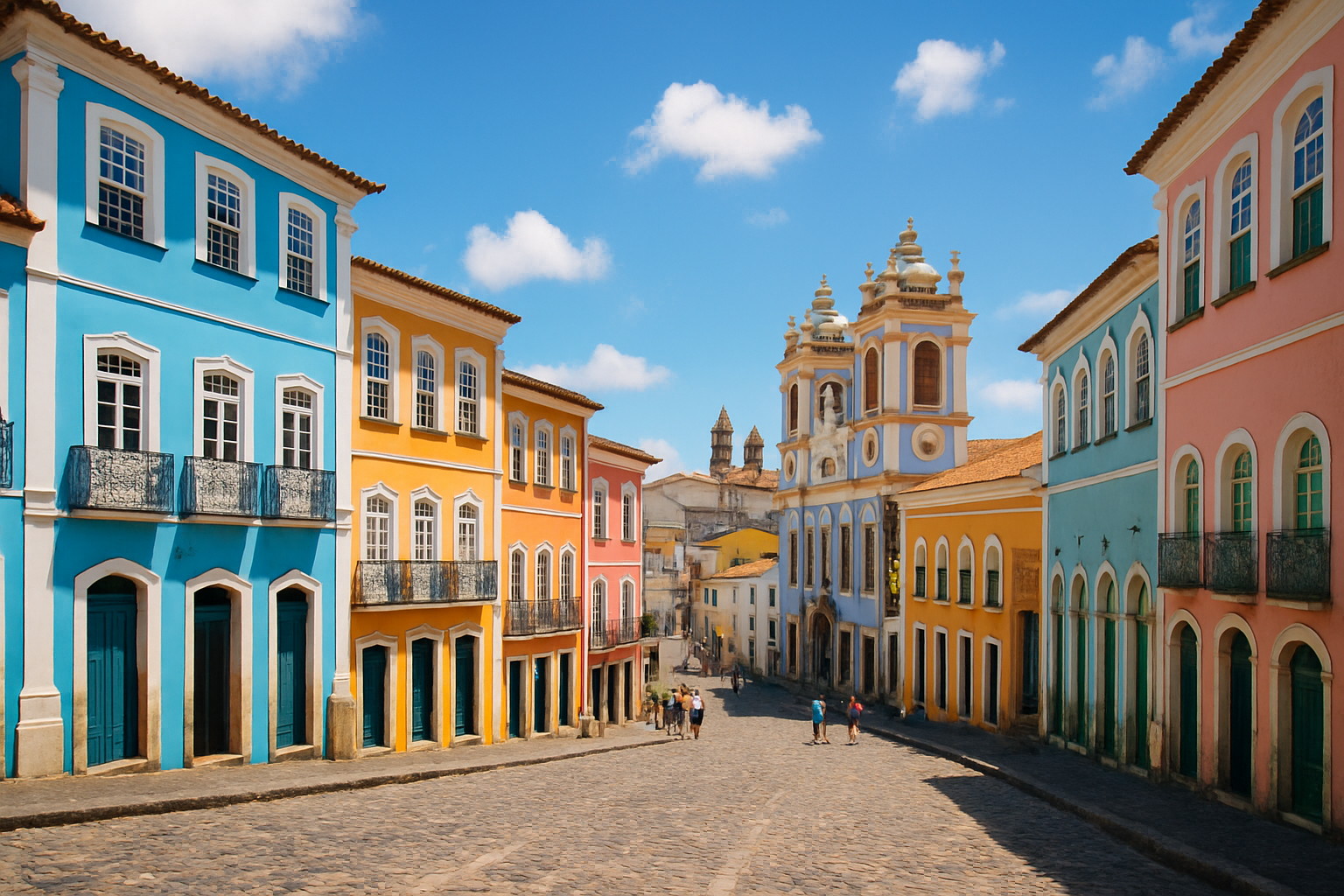
Afro-Brazilian culture, colonial architecture, and music-filled plazas with coastal views.
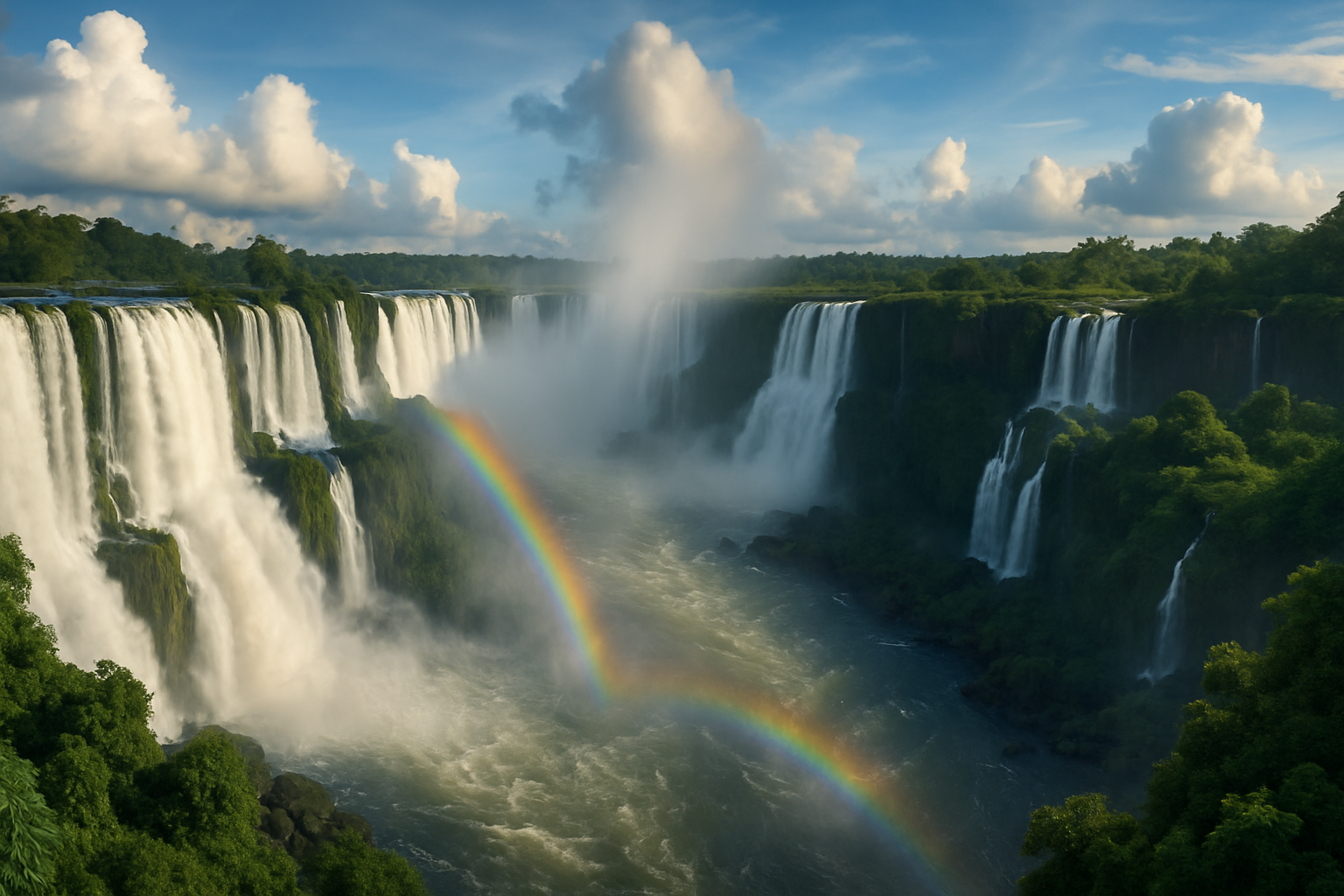
One of the world’s most powerful waterfalls, with panoramic walkways and rainforest views.
Try feijoada, pão de queijo, moqueca, and fresh tropical juices. Meals are social and relaxed; greeting with a smile goes a long way. Carnival and Festa Junina are joyful, high-energy cultural highlights.
Russia blends grand architecture, deep cultural traditions, and dramatic seasonal landscapes. This beginner-friendly guide highlights where to go, how to get around, and simple tips to help international travelers feel prepared.
Homepage-style preview
Plan for iconic cities, riverfront architecture, and seasonal adventures. Expect efficient metros, long-distance rail, and a mix of modern and historic experiences.
Best for
Culture, history, winter scenes
Style
Urban elegance + wild nature
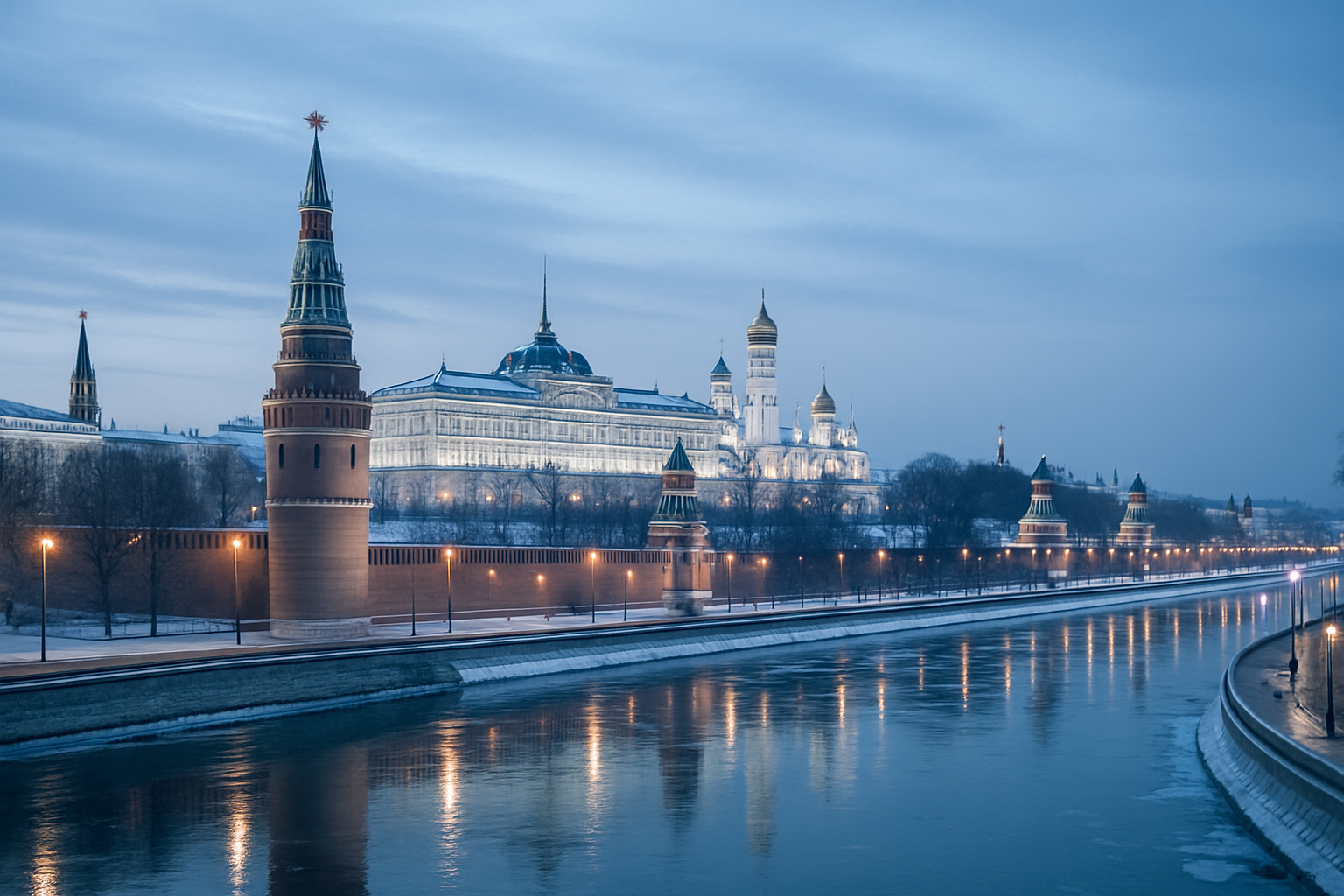
Signature view
Classic skyline, riverside walks, and a lively evening atmosphere.
History
Imperial palaces, Soviet-era landmarks, and preserved heritage streets.
Culture
Ballet, classical music, museums, and rich literary traditions.
Architecture
Onion domes, baroque palaces, and grand civic squares.
Cuisine
Hearty soups, dumplings, and pastries for all seasons.
Seasonal
Winter snow scenes, summer river cruises, and White Nights.
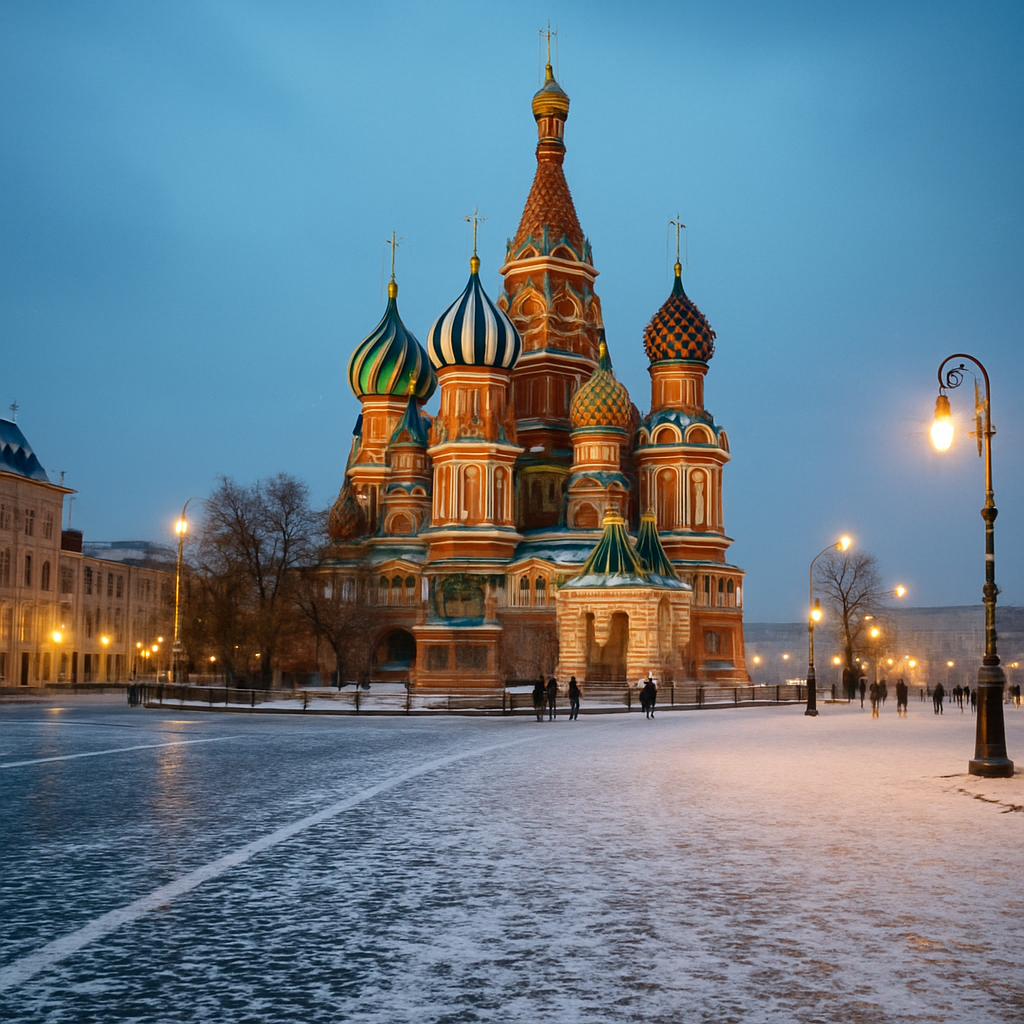
Iconic landmarks, bold architecture, and lively neighborhoods for history and nightlife.
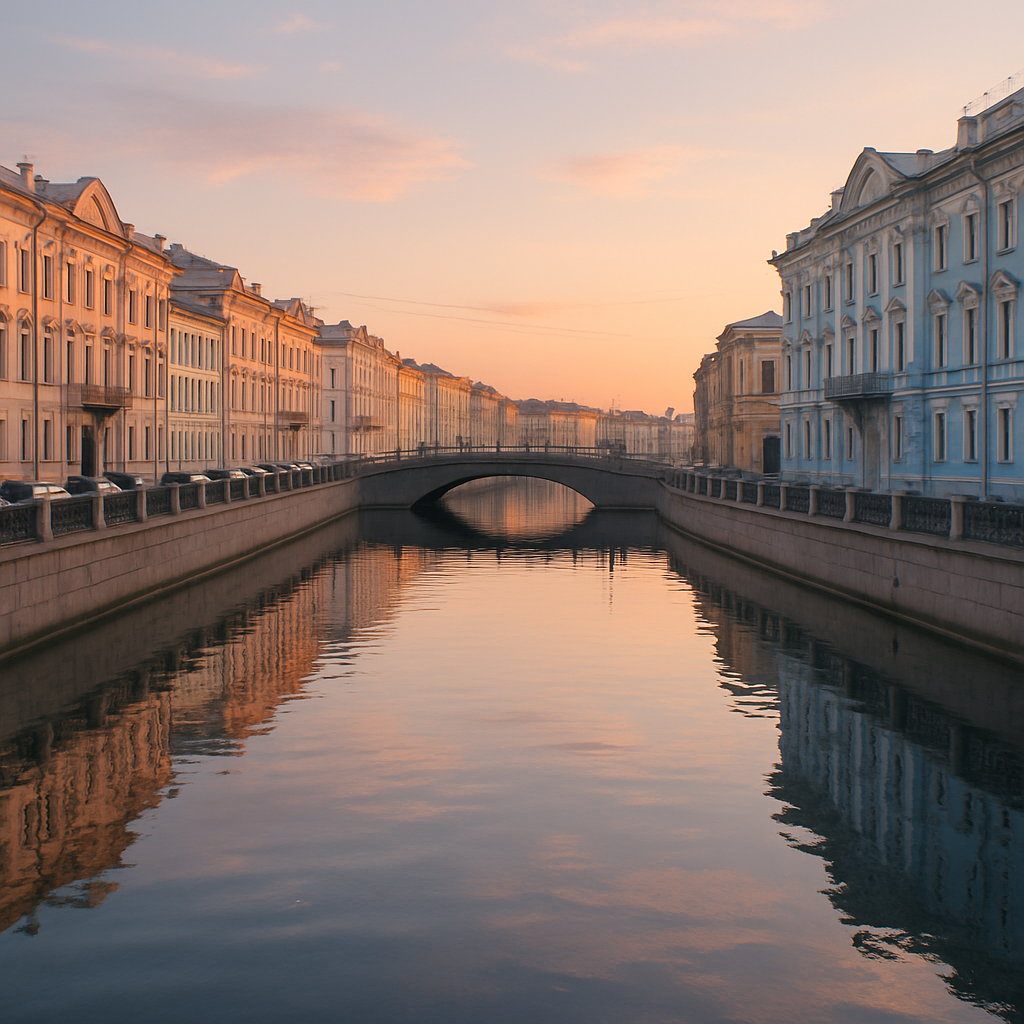
Palaces, museums, and riverside walks with elegant European flair.

World-famous freshwater lake with ice caves, clear water, and epic nature.
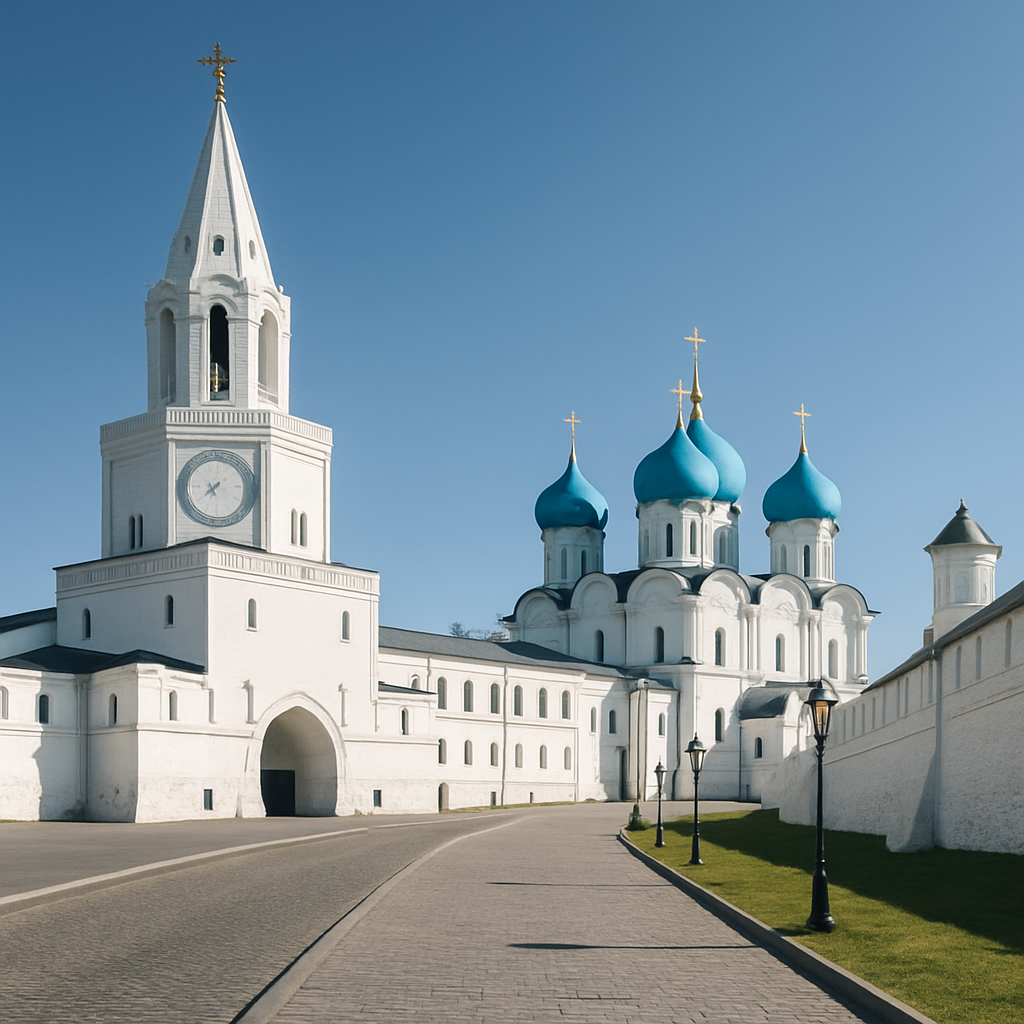
A blend of Russian and Tatar cultures, vibrant markets, and riverside views.
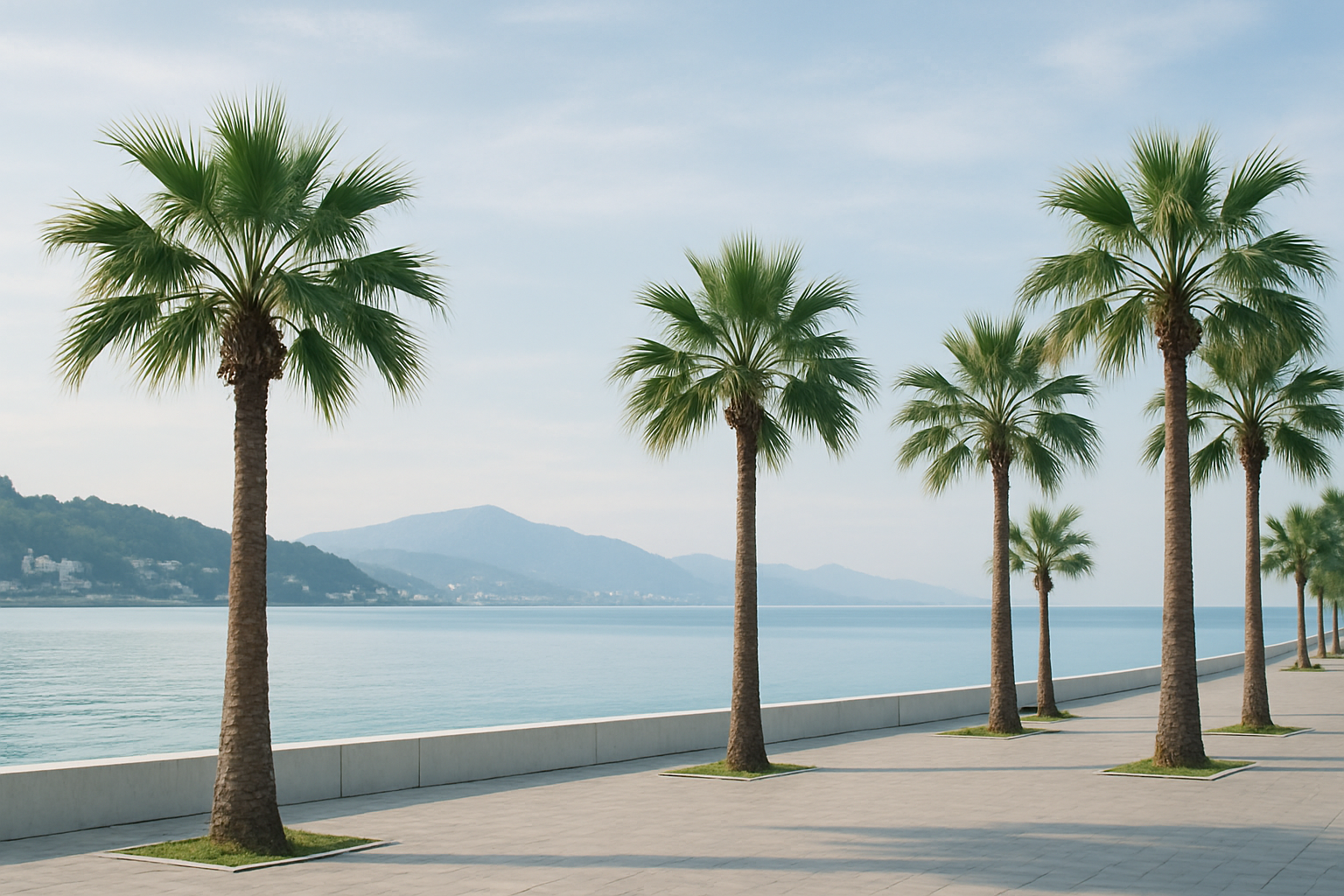
Black Sea resort city with beaches, subtropical parks, and nearby mountain escapes.
Keep belongings close at stations, markets, and popular landmarks.
Use licensed taxis or ride apps and confirm prices before tours.
Share your route, stick to well-lit streets, and keep emergency numbers saved.
Metro systems are efficient and inexpensive. Use licensed taxis or ride apps for short trips.
Flights save time between regions. Book early for the best fares.
Overnight trains and the Trans-Siberian route are scenic and reliable for multi-city trips.
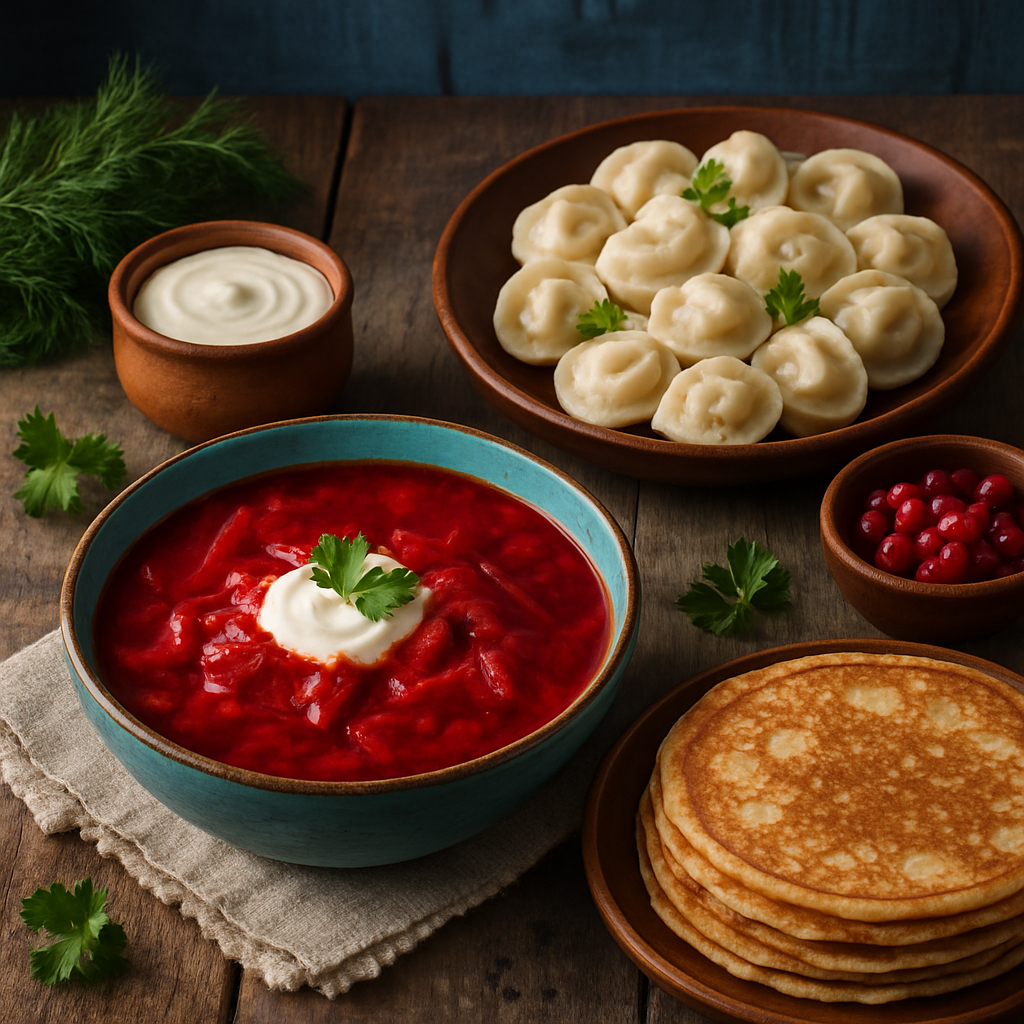
Try borscht, pelmeni, and blini. Cafés are common, and bakeries are great for quick meals.
Expect formal greetings, quiet public transport, and seasonal festivals such as Maslenitsa and city day celebrations.

Thermal layers, waterproof boots, insulated gloves, and a warm hat are essential.
Light jackets, comfortable walking shoes, and a compact umbrella for sudden showers.
Bring a reusable water bottle, portable charger, and digital copies of documents.
Mid-range travelers can expect moderate daily costs for meals, metro rides, and museum entry. Luxury stays rise quickly in peak season.
Use public transport, book rail passes early, and choose local cafés or market meals.
India is a welcoming mix of ancient temples, bustling cities, coastal escapes, and mountain retreats. This guide helps first-time visitors plan with confidence while discovering the country’s culture, cuisine, and iconic landmarks.
Plan your India journey
From the Taj Mahal at sunrise to Kerala’s tranquil backwaters, India offers a deep sense of place. Use this guide for smooth planning, cultural awareness, and unforgettable moments.
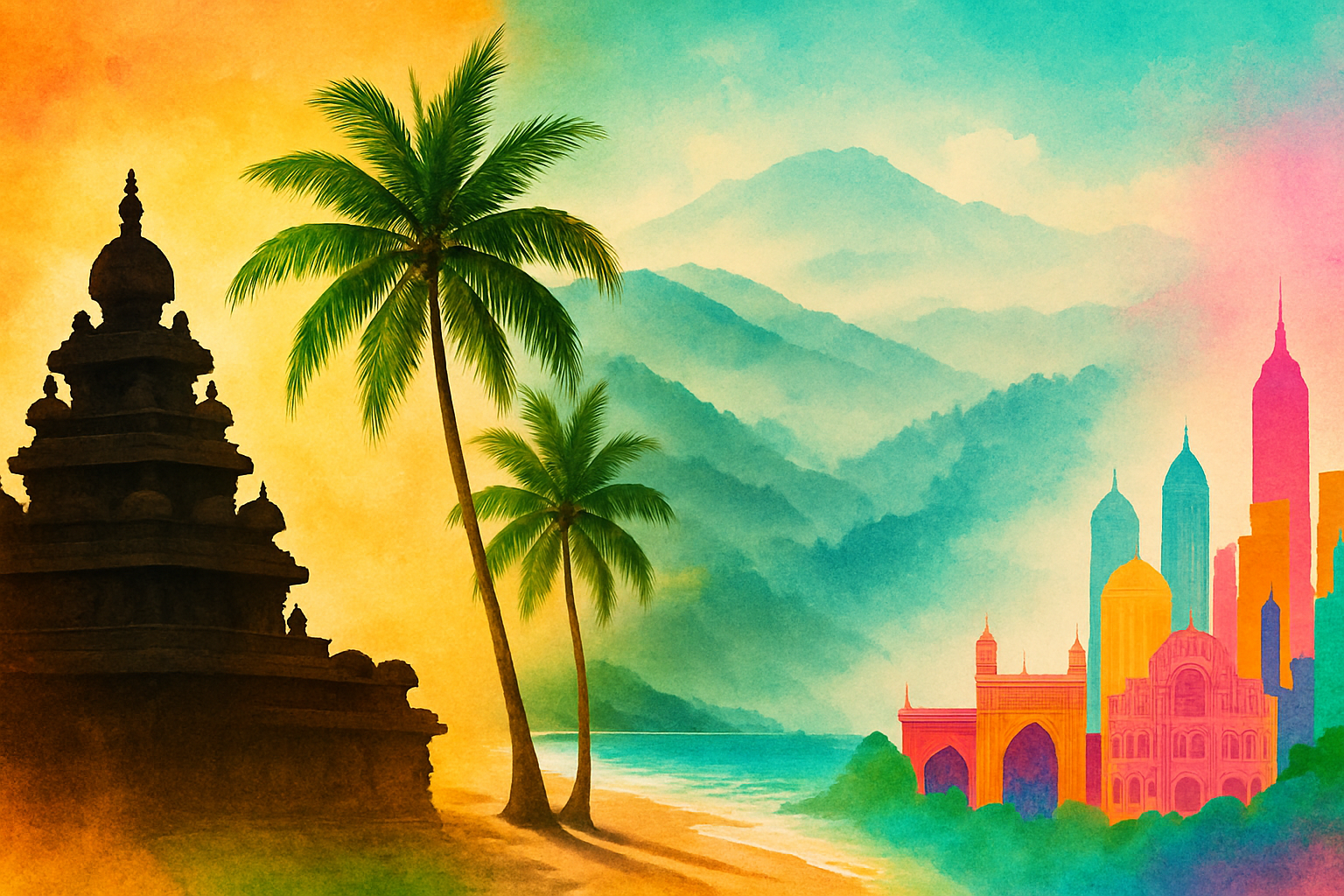
Ancient temples, royal forts, and living traditions in every region.
Spiced curries, street snacks, and regional thalis with rich variety.
Diwali lights, Holi colors, and calendar-long celebrations.
Himalayan trails, tropical beaches, deserts, and wildlife parks.
Mughal architecture, ancient trade routes, and UNESCO sites.
Most travelers use the e-Visa. Apply online before arrival and keep digital + printed copies handy.
The Indian Rupee (INR) is used everywhere. Cards work in cities, and UPI apps are common for quick payments.
English is widely spoken in tourism areas. Try: Namaste (hello), Dhanyavaad (thank you), Kitna? (how much?).
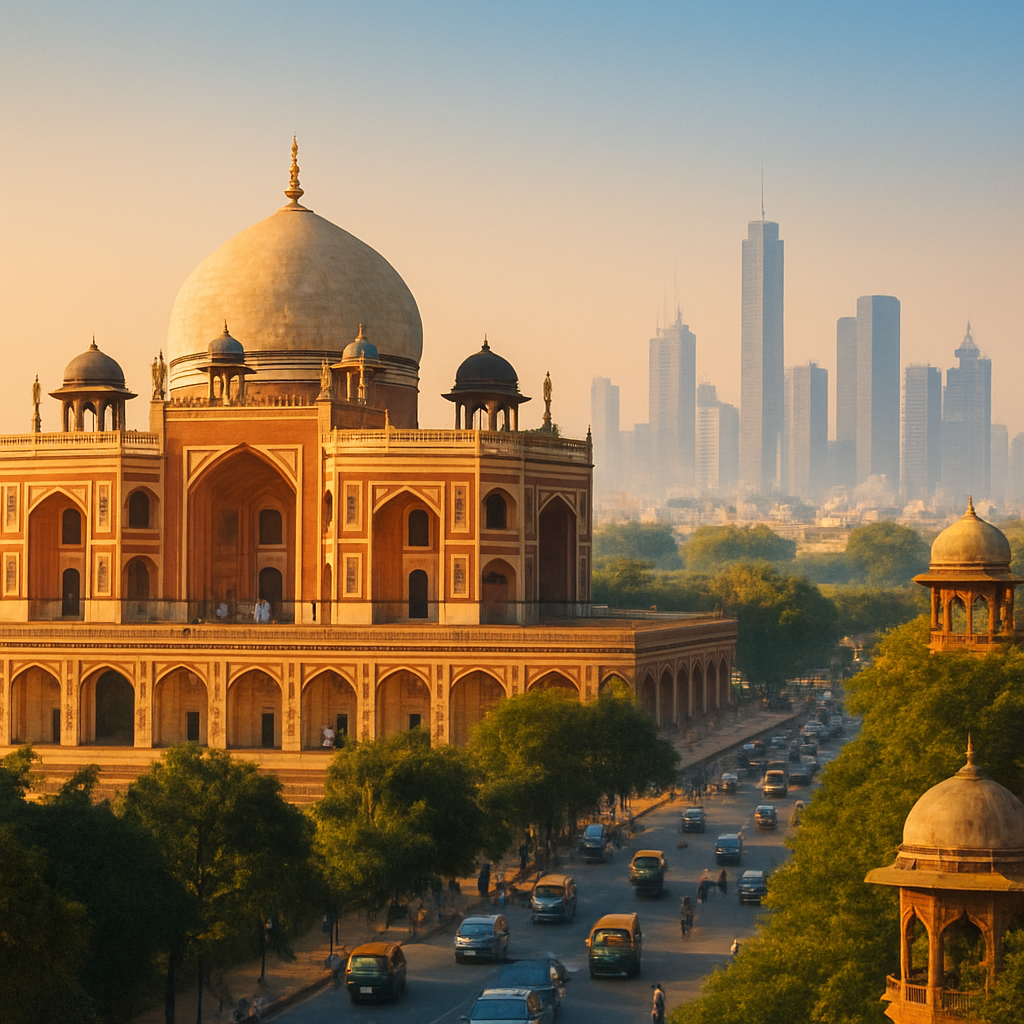
India’s capital blends Mughal history, street food, and modern museums.
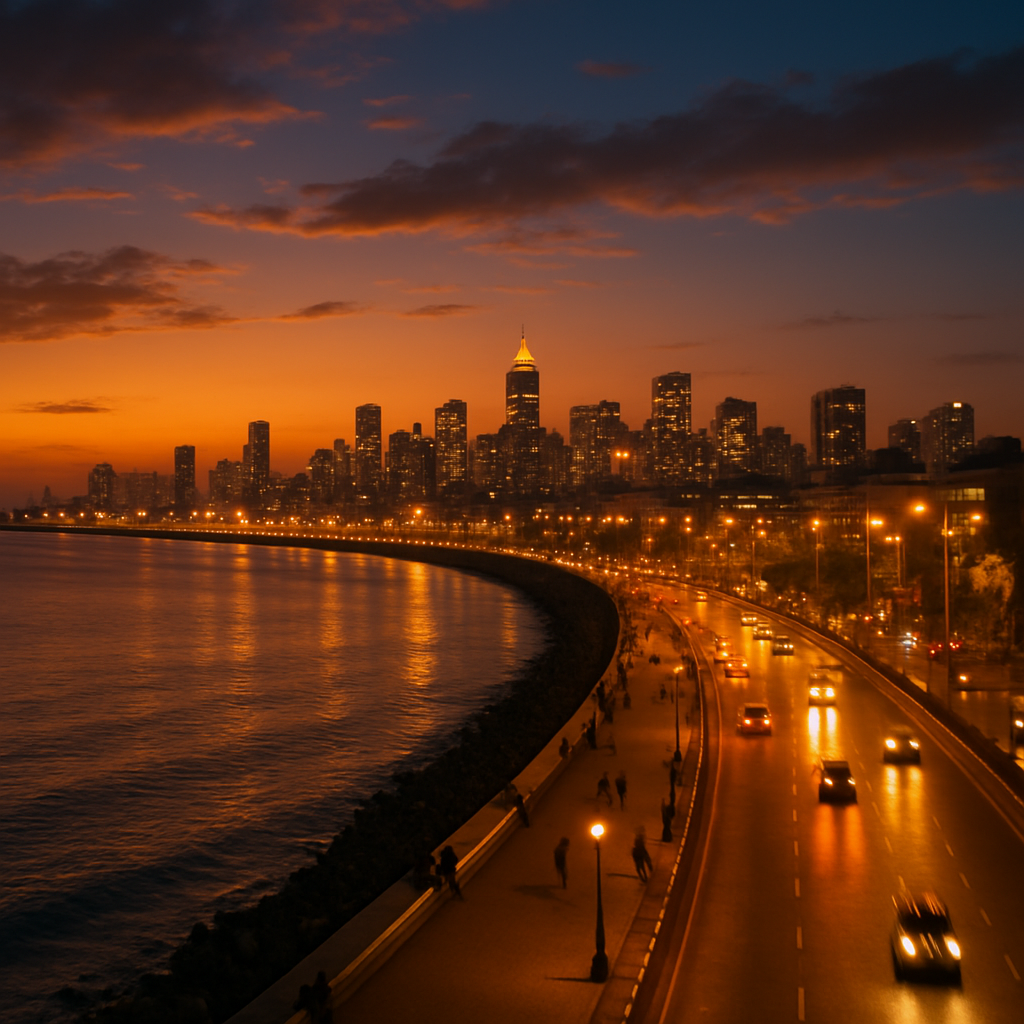
A vibrant coastal city known for markets, art, and Bollywood energy.
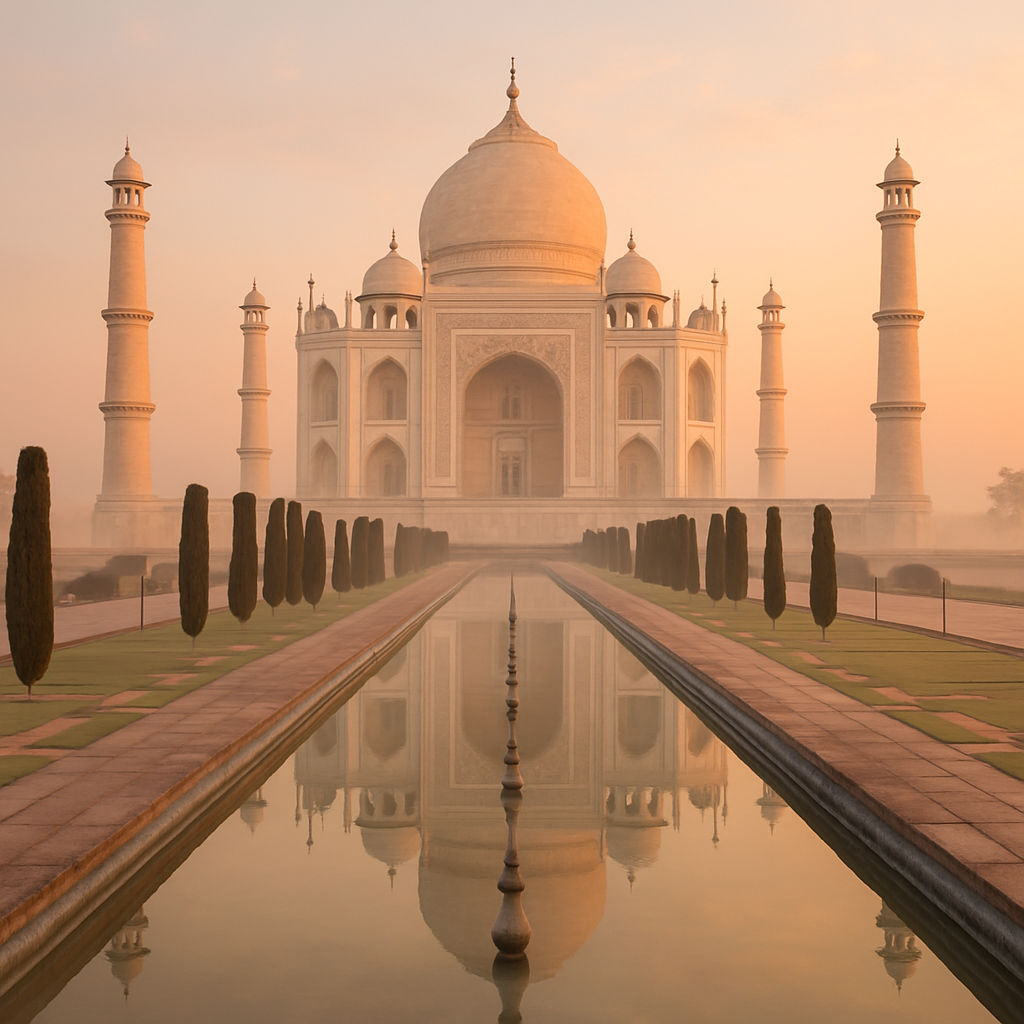
A timeless marble masterpiece and India’s most iconic landmark.
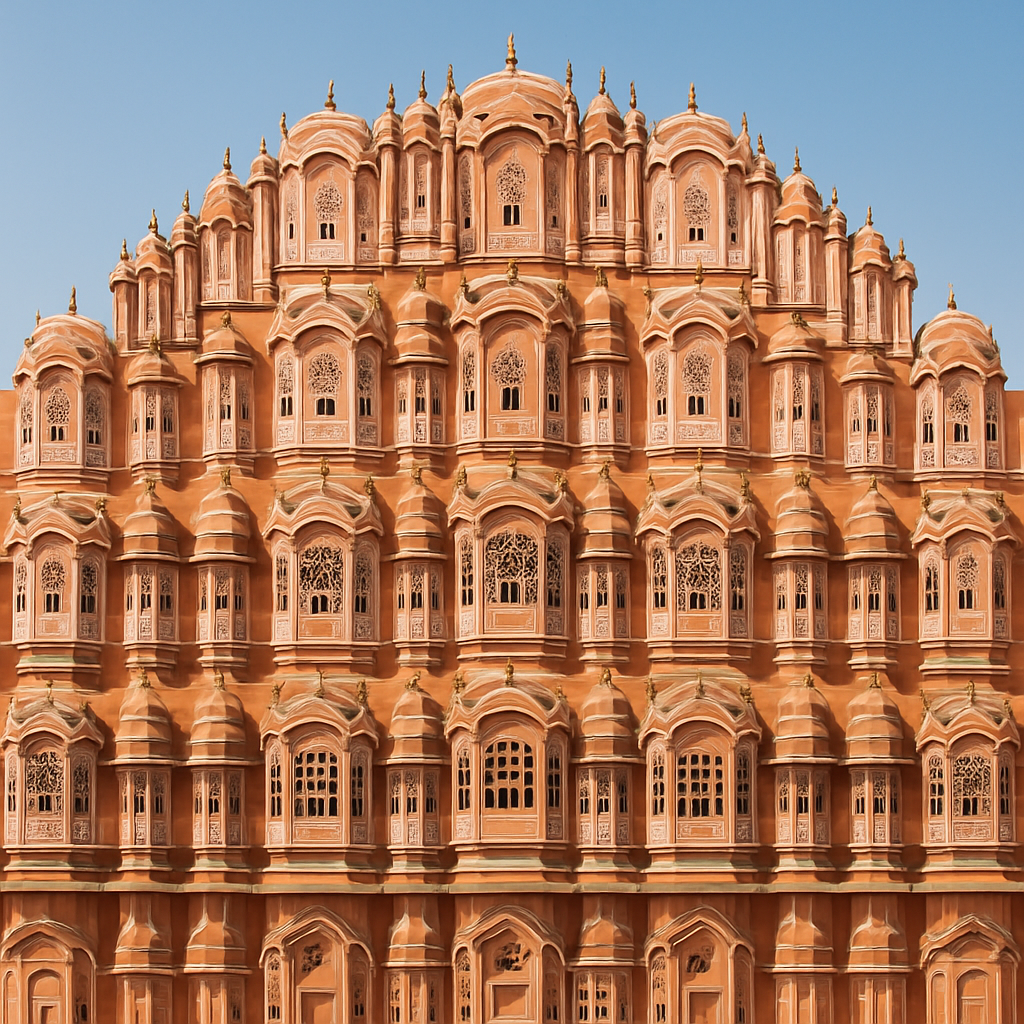
The Pink City offers royal palaces, bazaars, and desert culture.
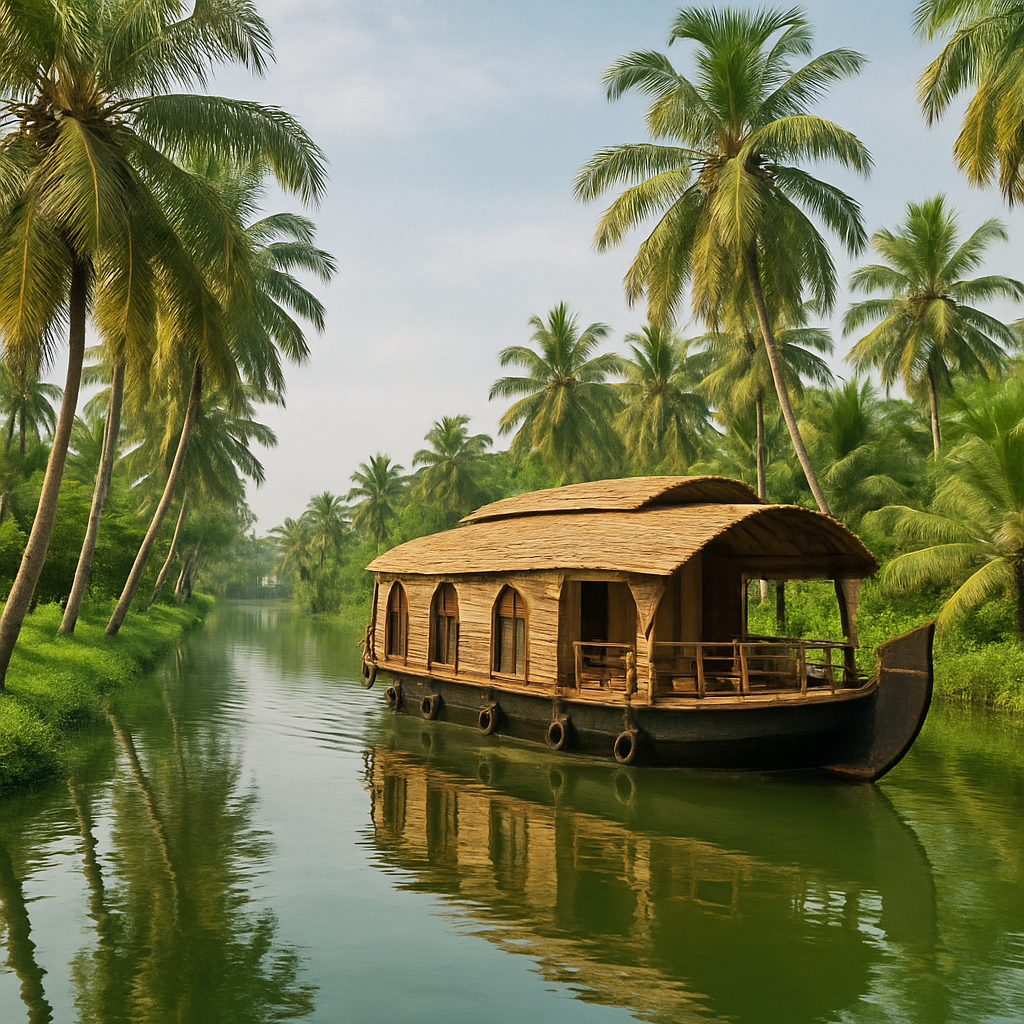
Slow travel through backwaters, beaches, and lush hill stations.
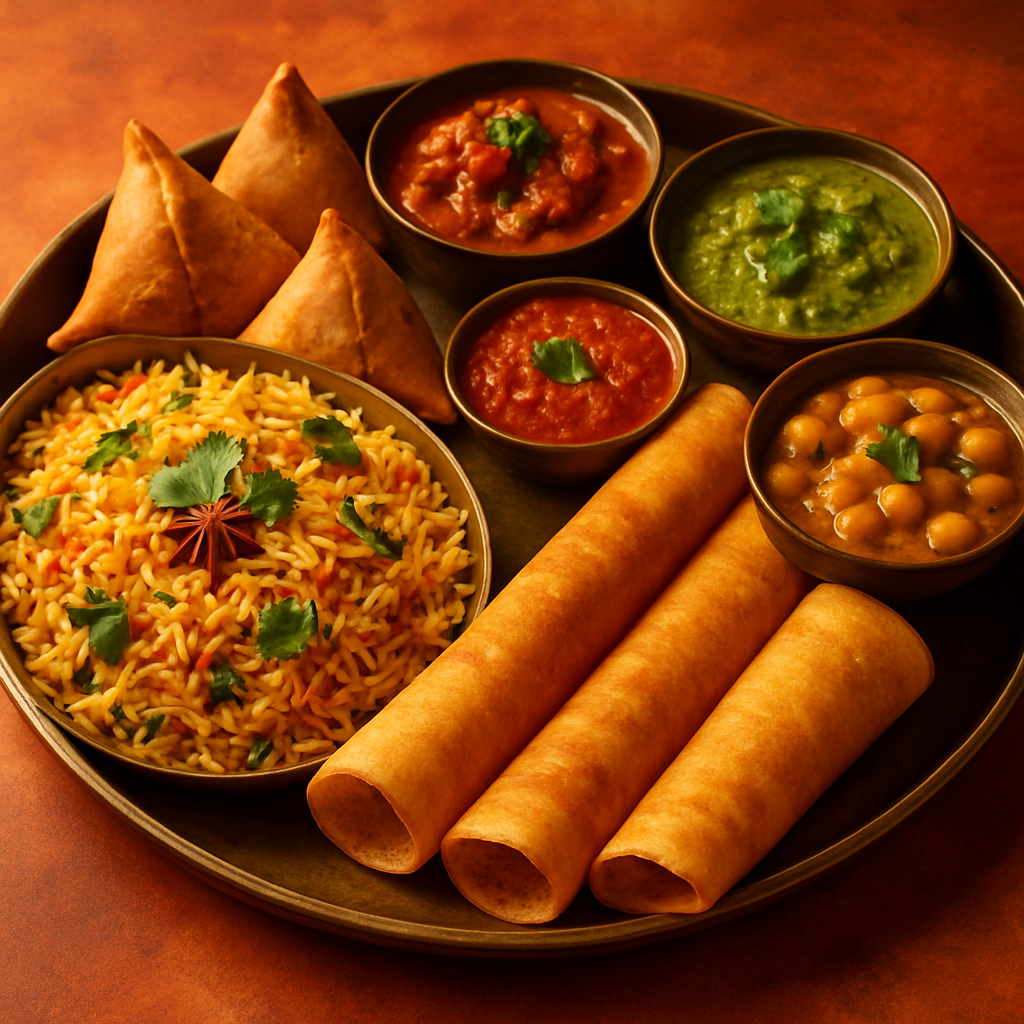
Popular dishes: biryani, dosas, samosas, and thali platters.
Eat with your right hand, remove shoes in temples, and dress modestly in sacred sites.
Festivals like Diwali, Holi, and Navratri fill streets with music, lights, and color.
Cities: Metro systems, auto-rickshaws, licensed taxis, and ride apps.
Domestic flights: Great for long distances between major regions.
Intercity travel: Indian Railways trains, overnight buses, and private cars.
China blends imperial history with modern innovation. From ancient capitals to neon skylines, it offers world-class sights, diverse cuisines, and unforgettable scenery. These tips are designed to help first-time visitors travel with confidence.
Start with Beijing and Shanghai for iconic culture and modern energy, then add the Great Wall, Xi’an’s heritage, and Guilin’s nature. High-speed rail connects major regions quickly, making multi-city trips easy.
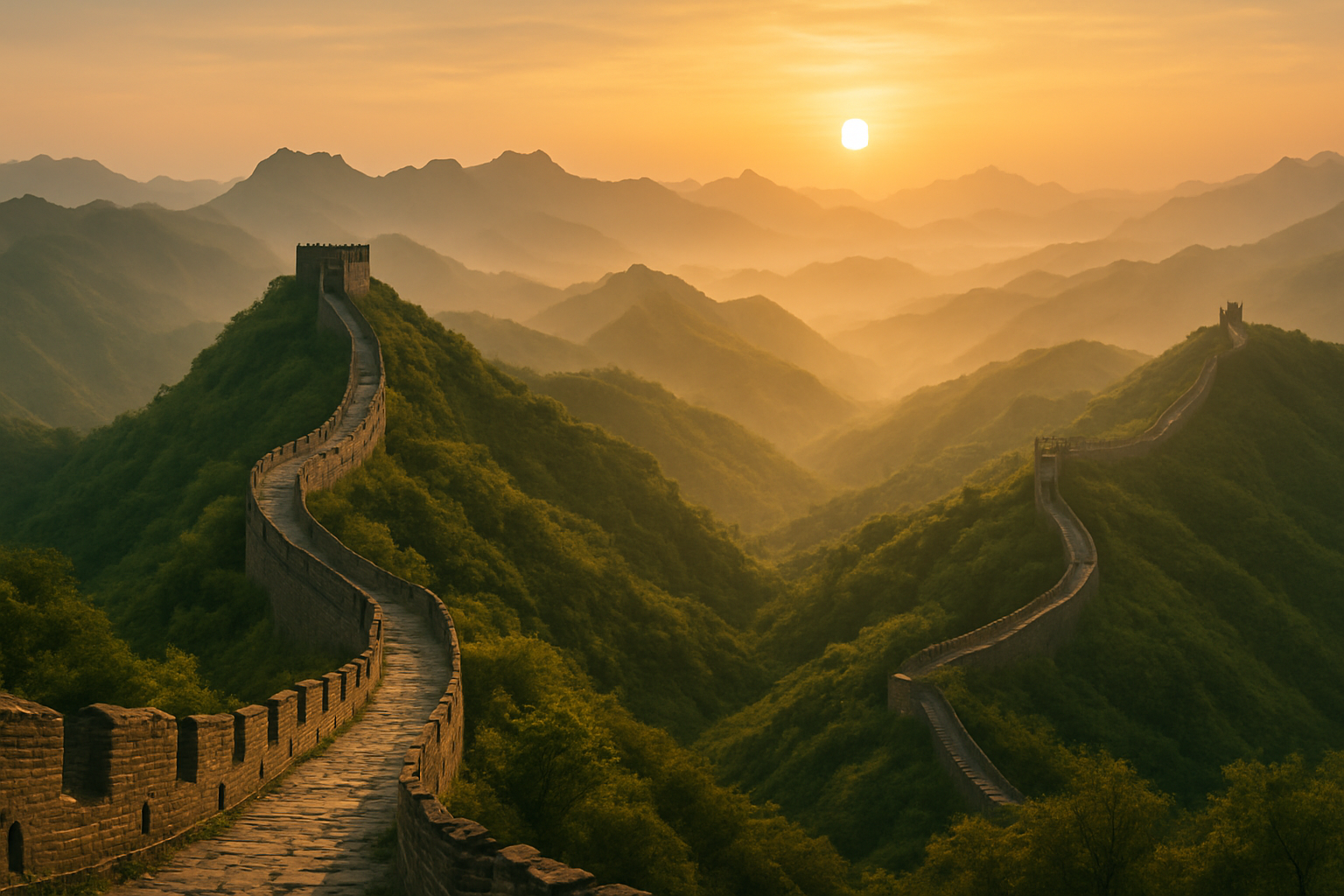
Imperial dynasties, ancient capitals, and world heritage landmarks.
Tea traditions, opera, temples, and daily life rituals.
Regional flavors from Sichuan spice to Cantonese delicacy.
Karst mountains, rivers, deserts, and scenic rice terraces.
Spring Festival, Lantern Festival, Dragon Boat, and Mid-Autumn.
Check current visa rules early. Some cities offer 24–144 hour transit visas for eligible passports.
Spring (Mar–May) and autumn (Sep–Nov) are mild. Summer is hot and busy; winter is cold in the north.
Use Chinese yuan (CNY). Cards work in large hotels; mobile payments (WeChat Pay, Alipay) are common.
Learn basics: Hello (Ni hao, “nee how”), Thank you (Xie xie, “shieh shieh”), Yes/No (Shi/ Bu).
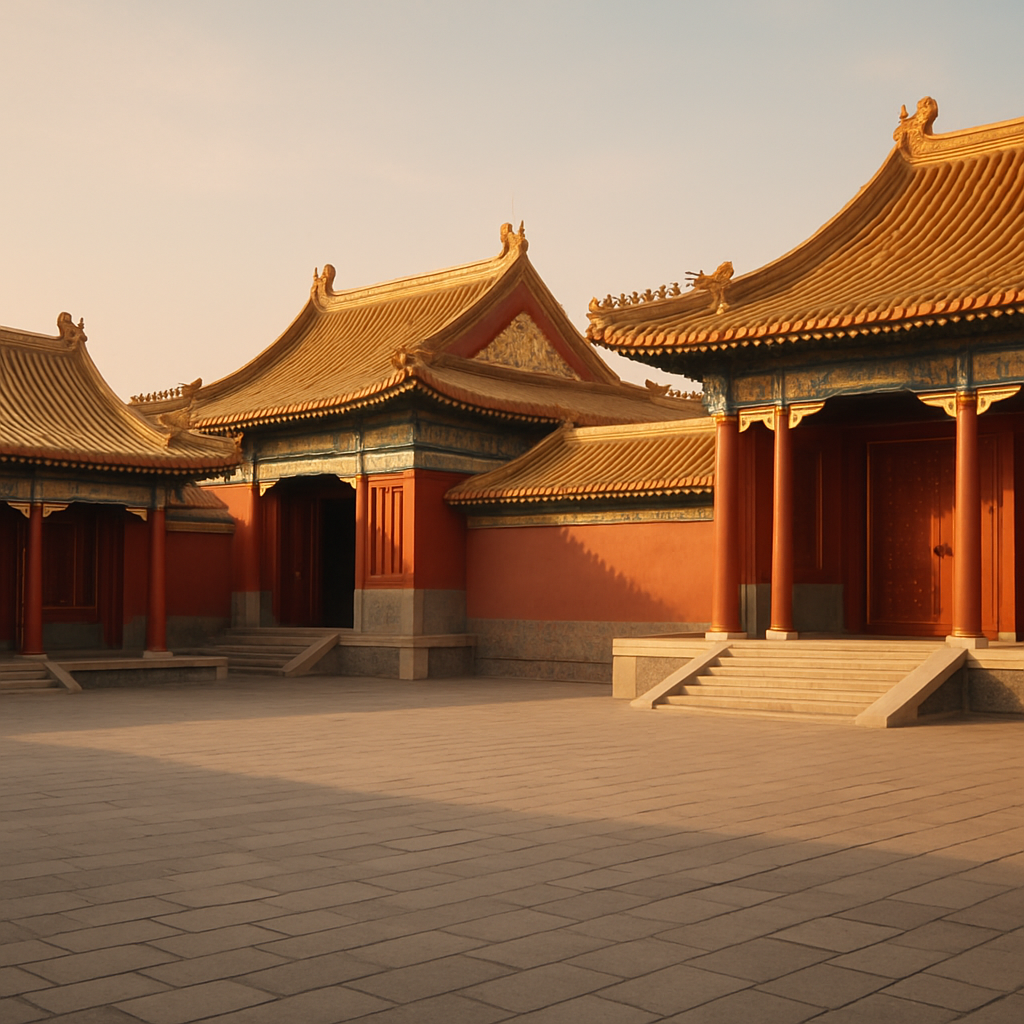
Explore the Forbidden City, Temple of Heaven, and historic hutongs.
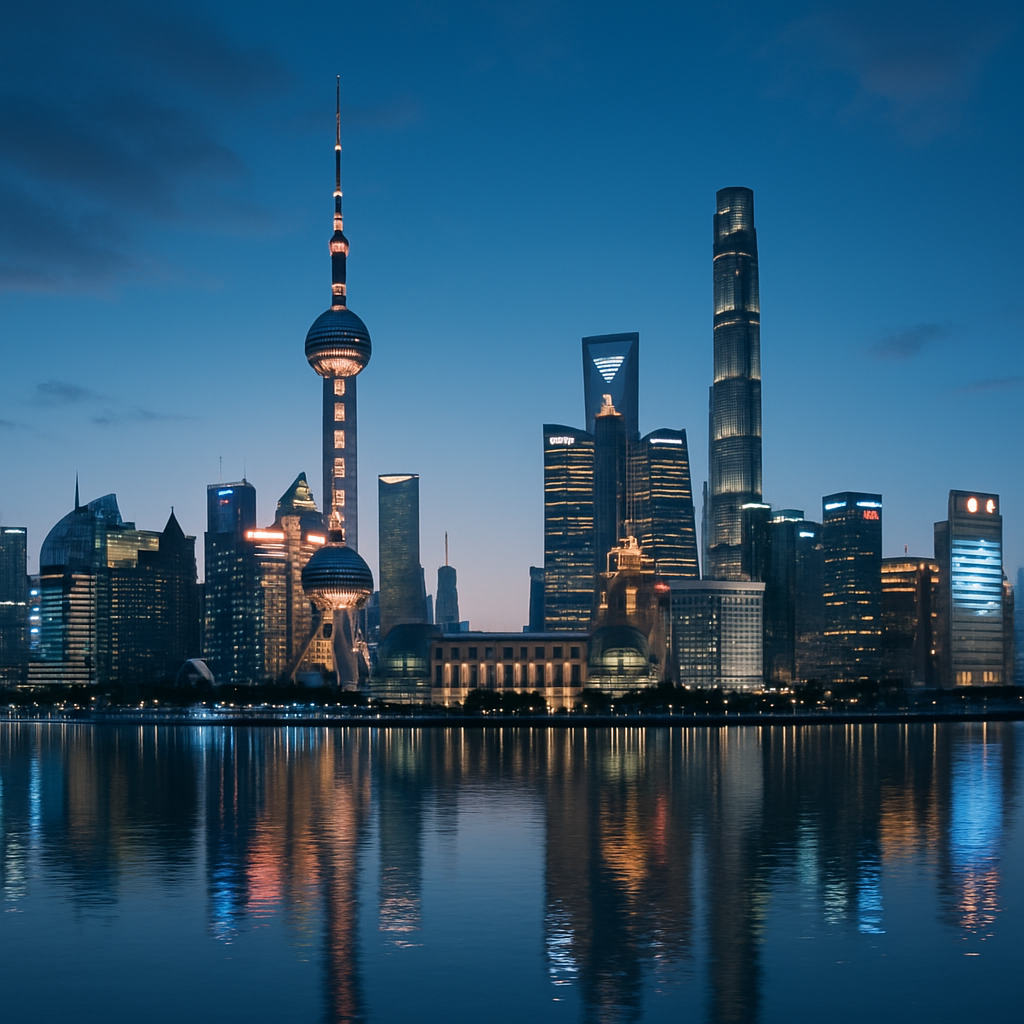
A futuristic skyline, art districts, and the historic Bund waterfront.

Walk restored sections for sweeping views and dramatic photography.

Home of the Terracotta Army and ancient city walls.
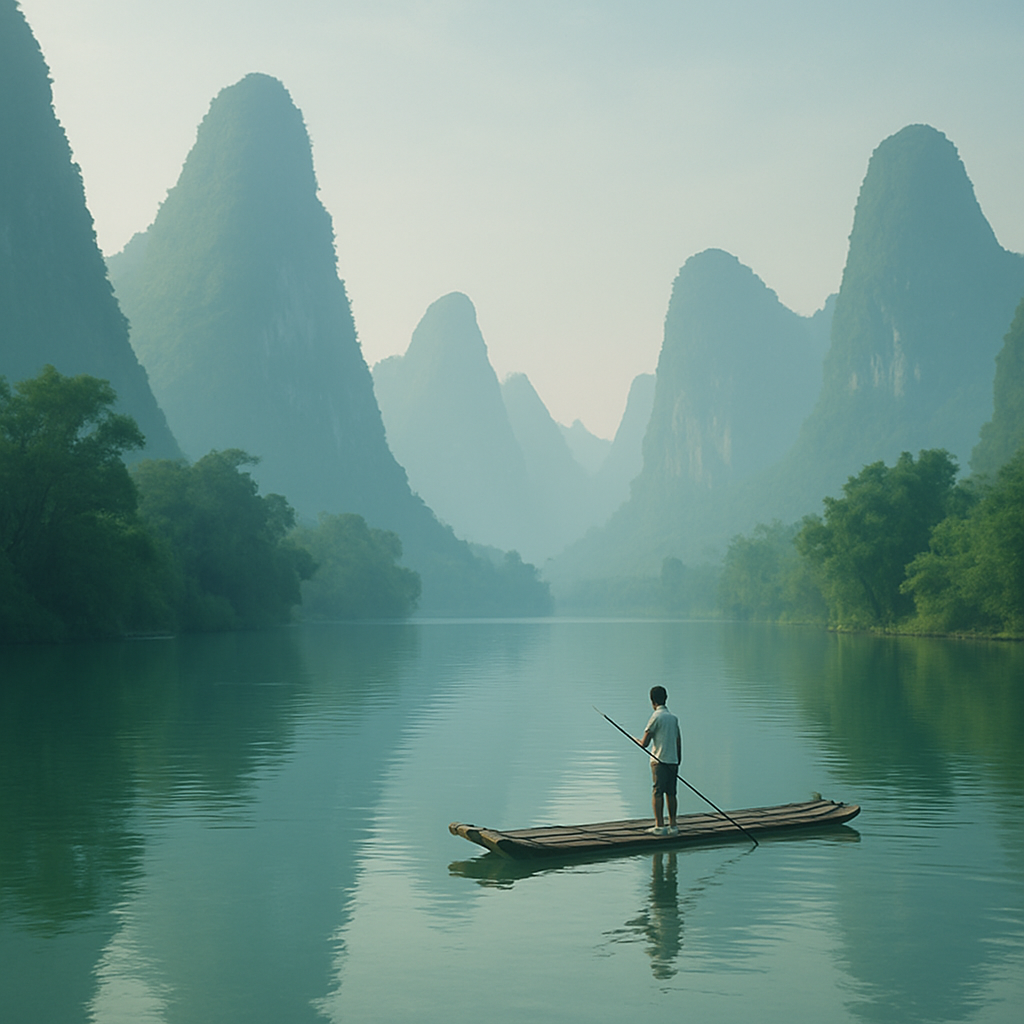
Dreamy limestone peaks, river cruises, and cycling routes.
Try dumplings, Peking duck, hot pot, and dim sum. Respect local customs, queue politely, and accept or give items with both hands when appropriate.

South Africa is a friendly, exciting destination for first-time visitors. Expect big landscapes, warm hospitality, and a mix of wildlife, beaches, food, and history. Use these tips to plan a safe, smooth, and inspiring trip.
South Africa is perfect for combining safari days with beach time and city culture. You can visit Cape Town for iconic scenery, then fly to Kruger for wildlife, and finish with coastal relaxation in Durban.
Typical trip
10–14 days
Currency
ZAR (Rand)
Best for
Safari + coast

Safari sunrise + Atlantic coast in one trip
Wildlife parks, mountain drives, and city culture.
The best of South Africa at a glance.
Mountains, coastlines, vineyards, and scenic drives.
Big Five safaris in Kruger and private reserves.
Heritage sites, music, art, and township tours.
Braai, Cape Malay flavors, and top wineries.
Hiking, shark diving, surfing, and road trips.
Simple guidance for a smooth arrival.
Many nationalities get visa-free entry for short stays. Check current rules before booking flights.
Summer: Nov–Mar for beaches. Winter: Jun–Aug for clear safari viewing and mild days.
Use South African Rand (ZAR). Cards and mobile payments are common; carry some cash for markets.
English is widely spoken. Greetings: “Sawubona” (Zulu) or “Hallo” (Afrikaans).
Must-visit places with clear reasons to go.
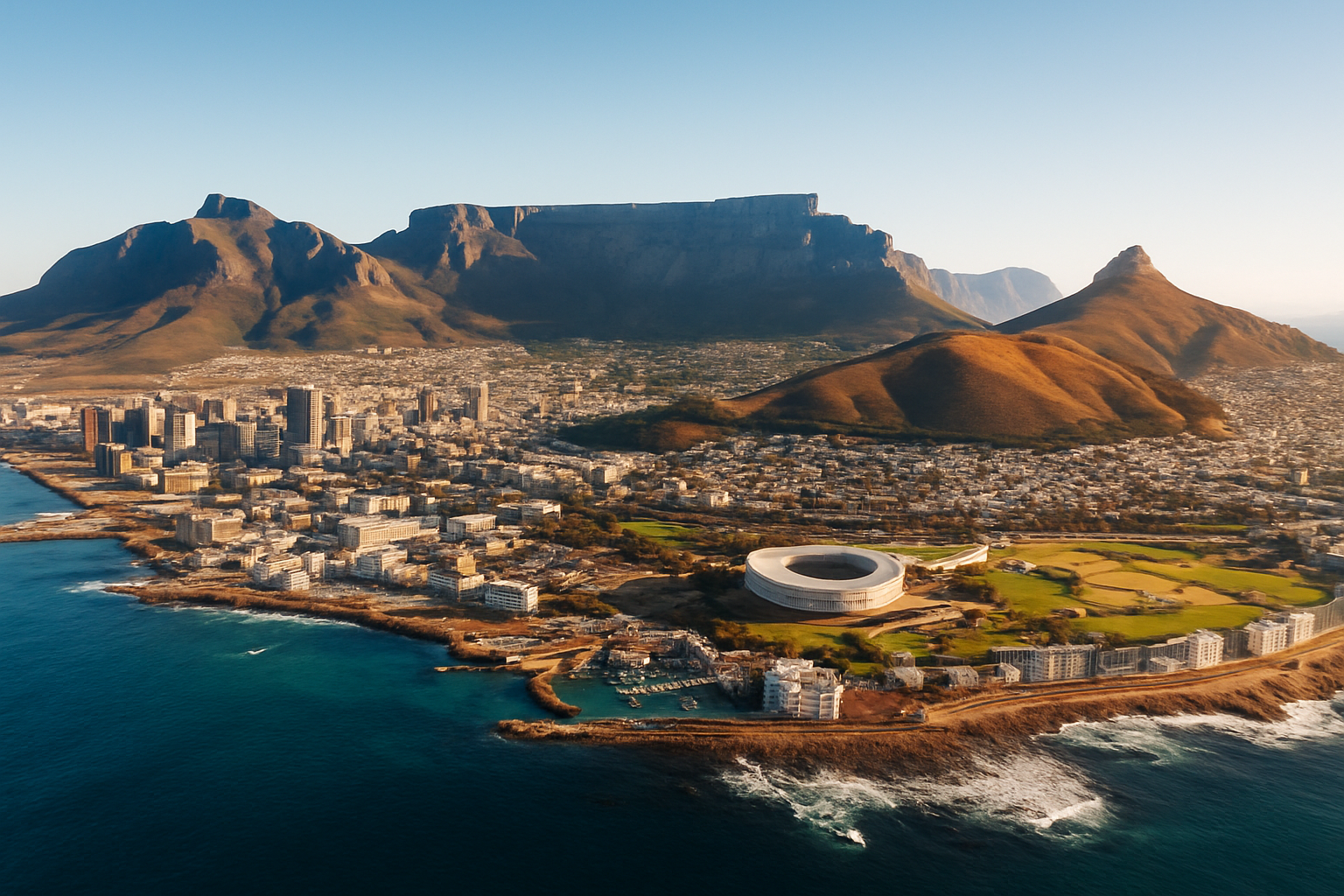
Coastal city with world-class views, beaches, food markets, and easy day trips to Cape Point and the Winelands.
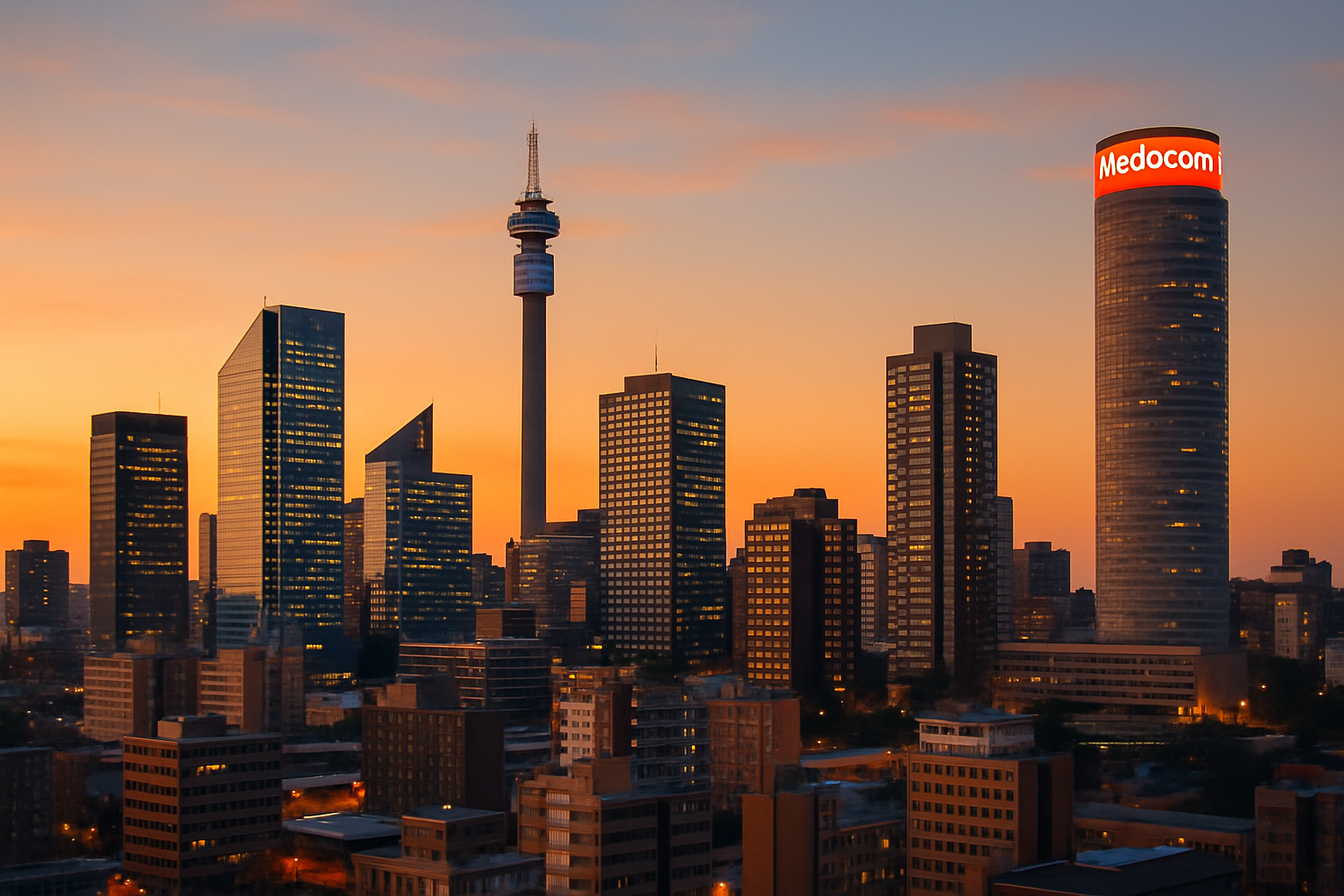
South Africa’s largest city with museums, cultural districts, and easy access to nearby heritage sites.

The best place for classic safaris, with game drives, lodges, and incredible wildlife viewing.
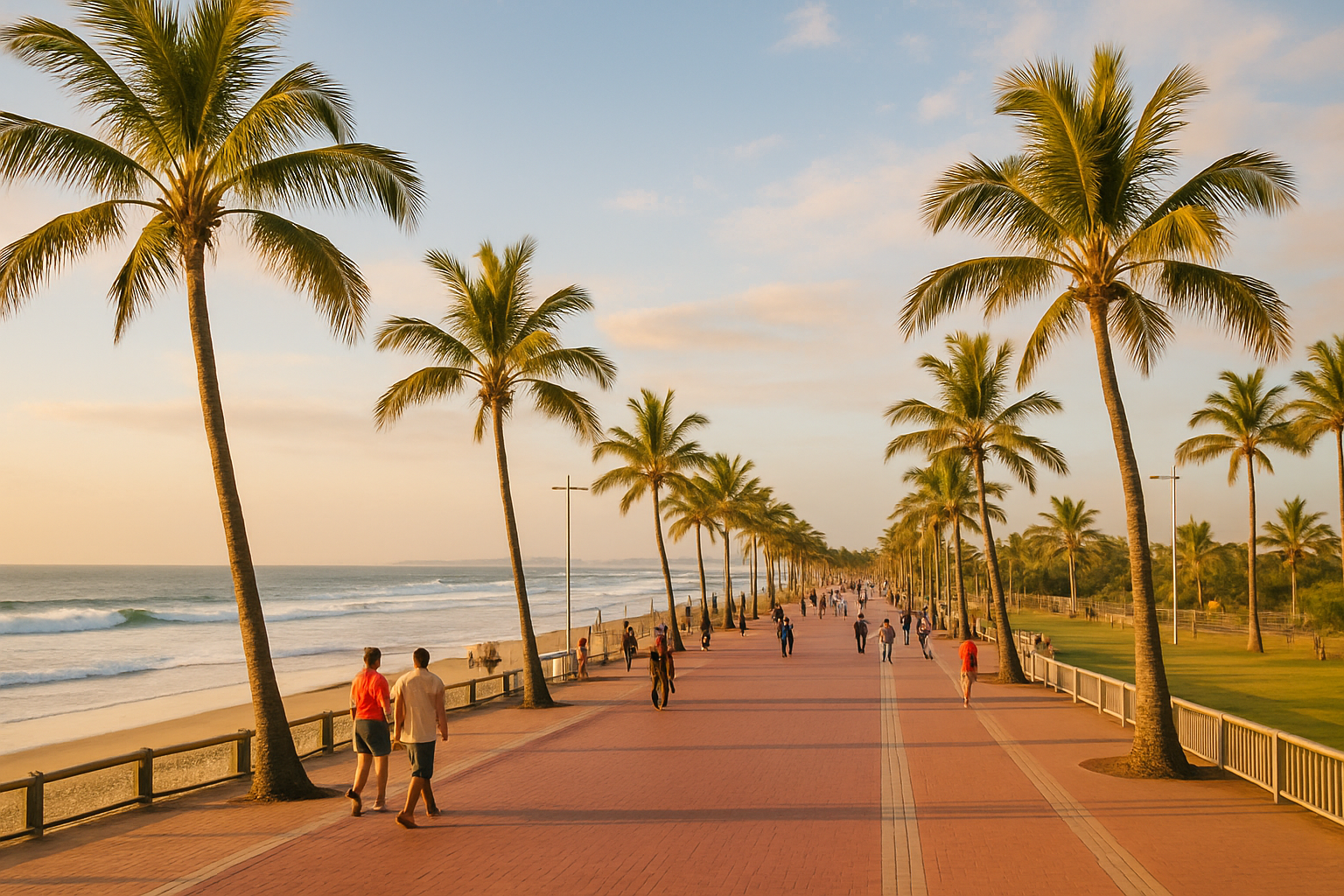
Golden beaches, warm water, and a lively food scene with strong Indian influence.
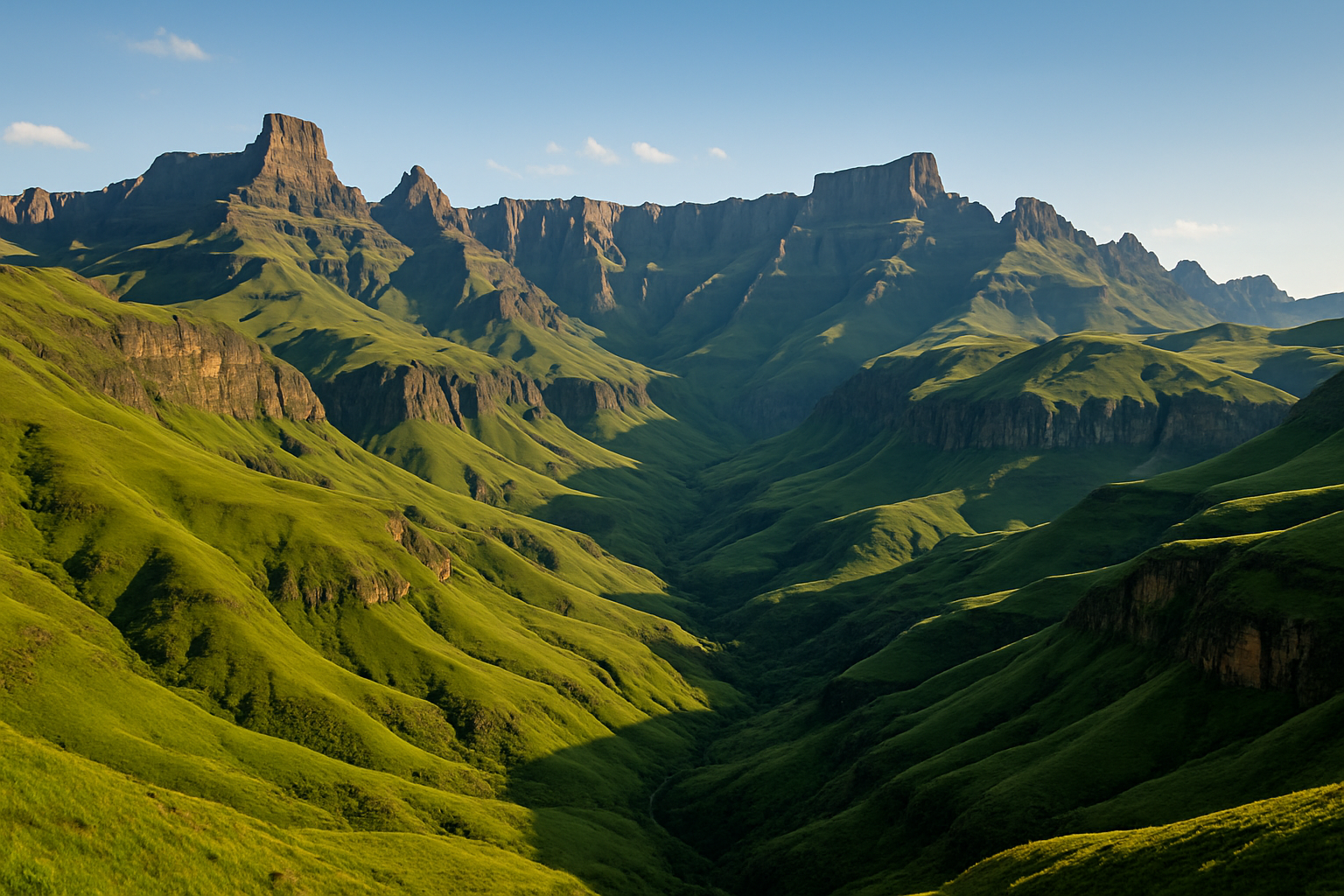
Dramatic peaks, hiking trails, and mountain lodges for outdoor lovers.
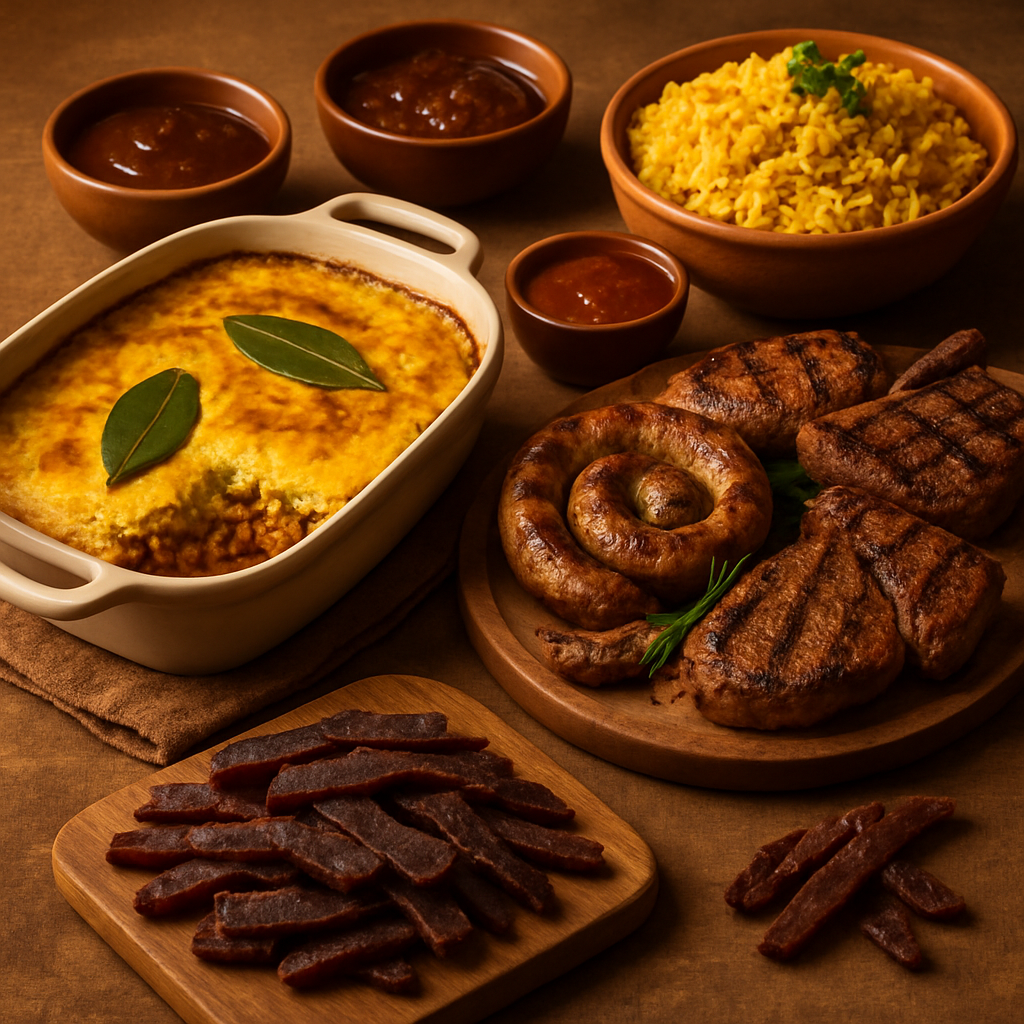
Try bobotie, braai, and biltong. Dining is friendly and social; festivals celebrate music, heritage, and wine.
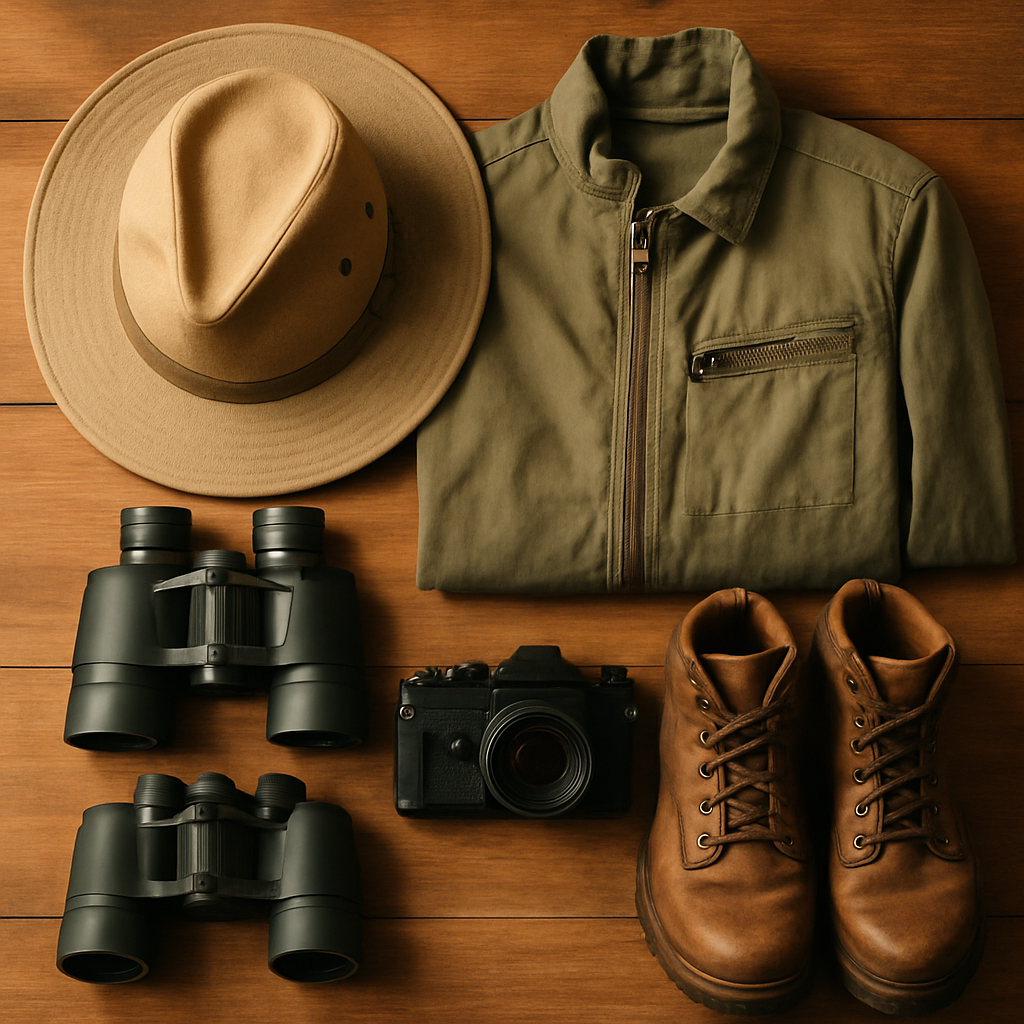
Mid-range travel is common. Save by booking local tours, using public transport in cities, and traveling in shoulder seasons.
Dubai blends futuristic architecture with warm desert landscapes, world-class shopping, and welcoming Emirati culture. This guide keeps it simple and practical for first-time visitors while highlighting the city’s modern luxury mood.
Homepage banner
Dubai is easy to navigate and designed for travelers who love comfort, style, and unforgettable views. Start with a skyline day, then balance it with desert sunset rides and cultural neighborhoods along the creek.
Best vibe
Cooler months bring outdoor dining, desert camps, and evening strolls by the marina.
Signature mood
Modern luxury with gold accents, blue water views, and calm sand-toned landscapes.
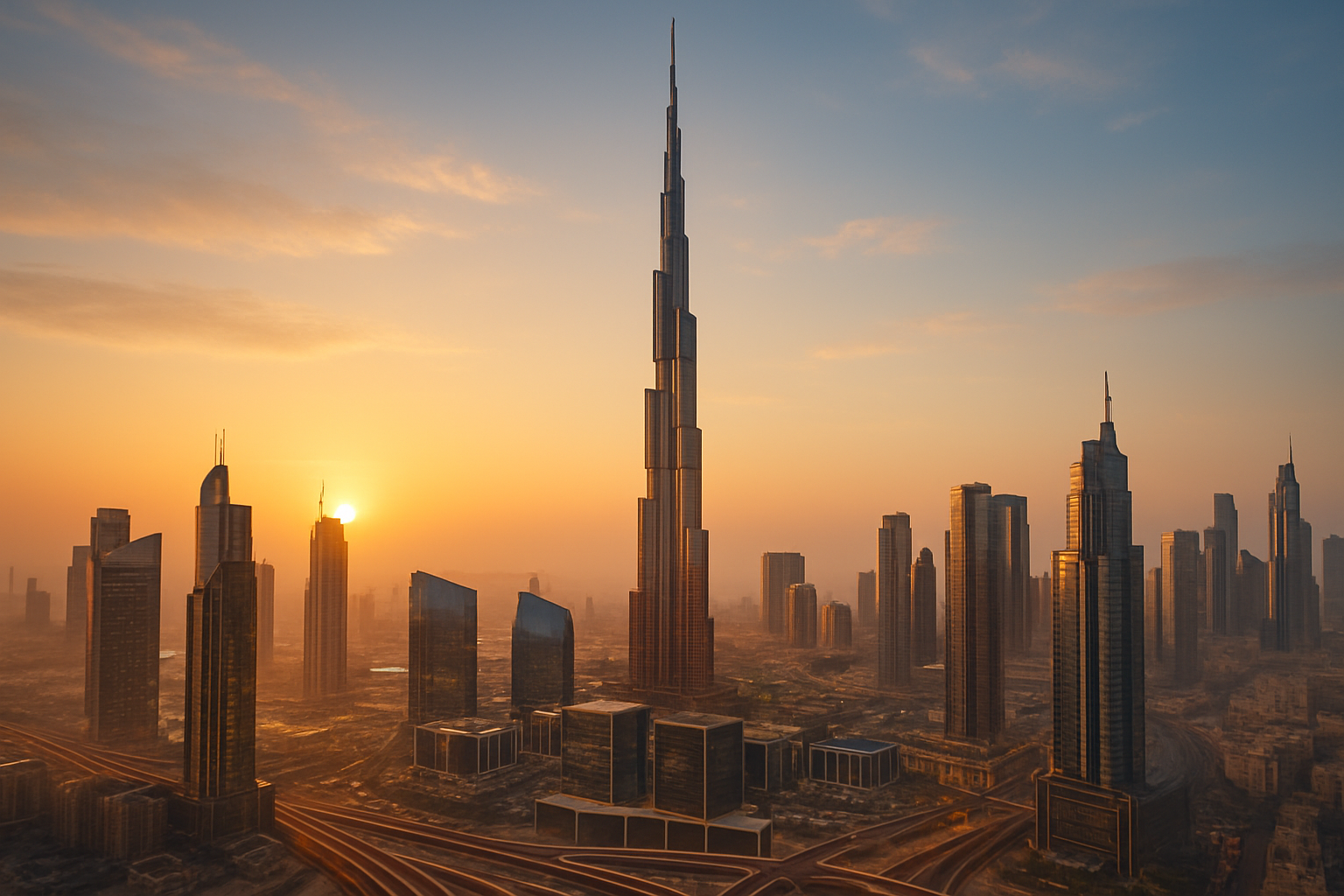
Dubai skyline
Plan a sunrise or dusk visit for the clearest views and soft golden light.
Sky-high lounges, designer shopping, and premium beach clubs.
Record-breaking towers and bold design along the marina.
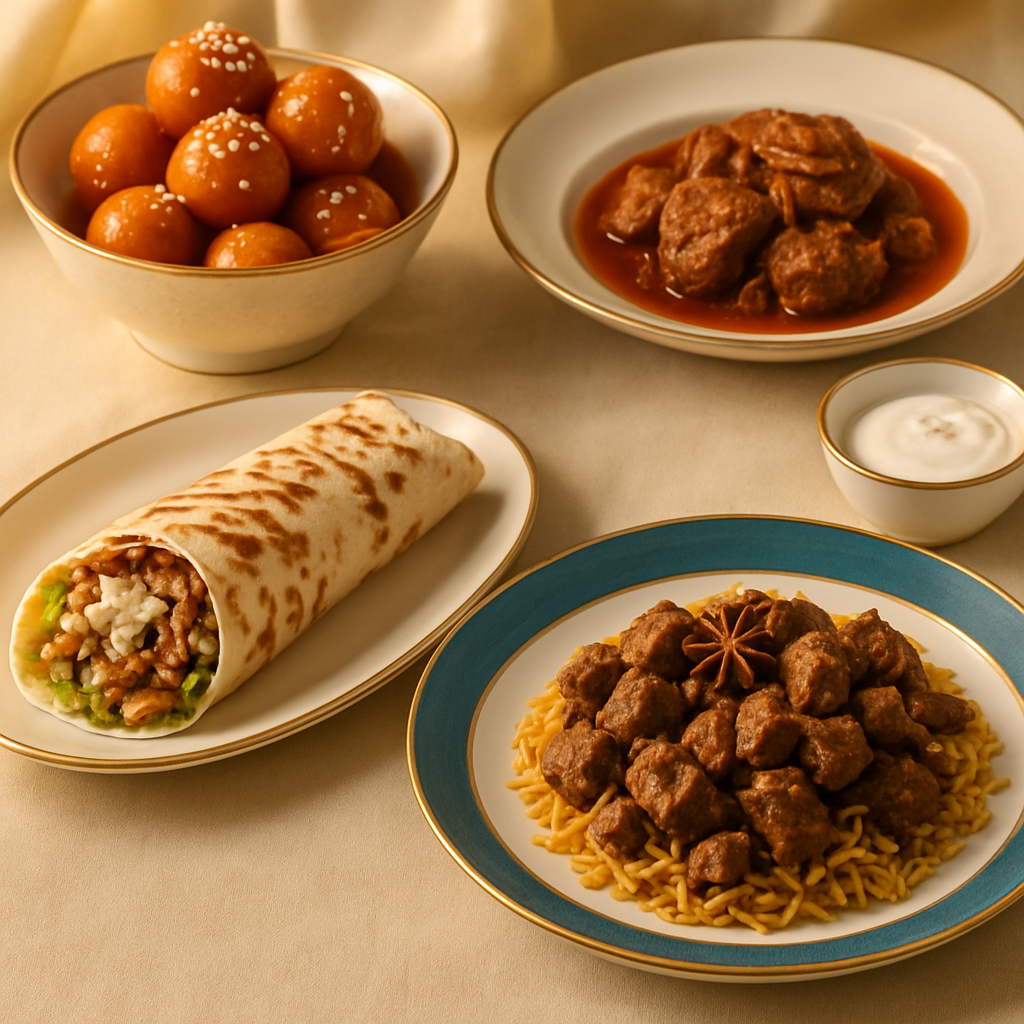
Dune drives, camel rides, and stargazing camps.
Old souks, creek dhow rides, and local museums.
Visa & entry
Many travelers get visa-on-arrival or e-visa access. Confirm rules and passport validity before booking.
Best time to visit
November to March is cooler and ideal for outdoor tours. Desert safaris are best at sunset.
Currency & payment
Use UAE dirham (AED). Cards and mobile payments are common, but keep cash for taxis and markets.
Language tips
English is widely spoken. Handy Arabic: “Marhaba” (hello), “Shukran” (thank you), “Min fadlak” (please).
Top destinations
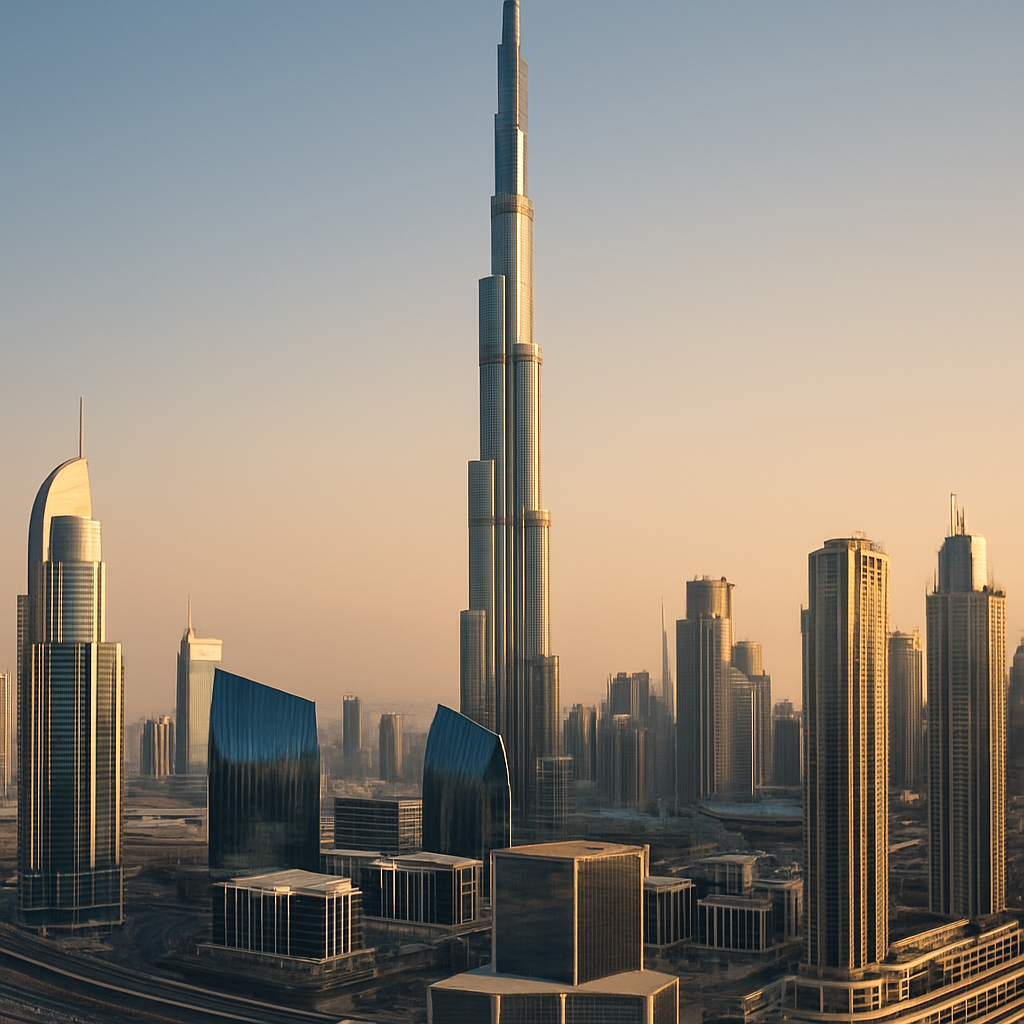
The world’s tallest tower offers panoramic views and a classic Dubai skyline photo.
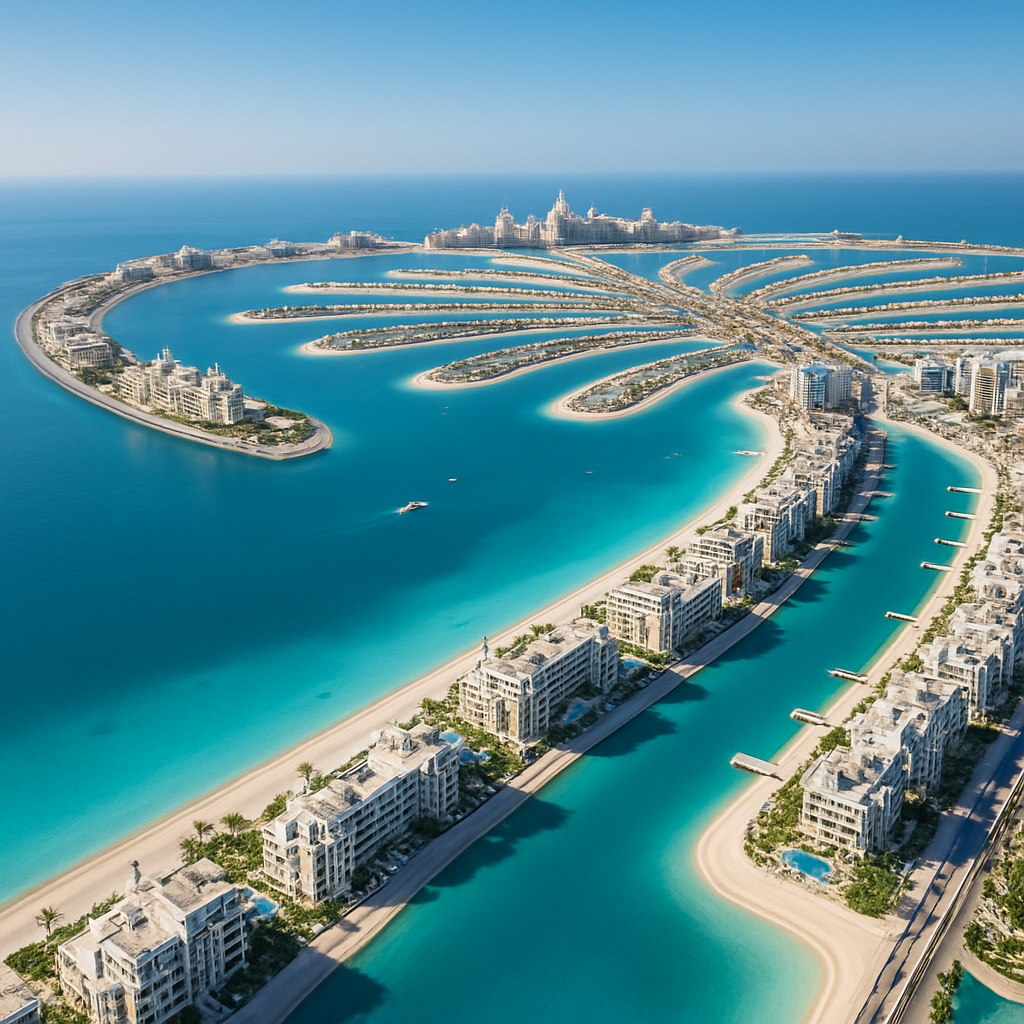
Iconic man-made island with luxury resorts, beach clubs, and sea views.

A shopping paradise with aquariums, dining, and easy access to the fountain show.
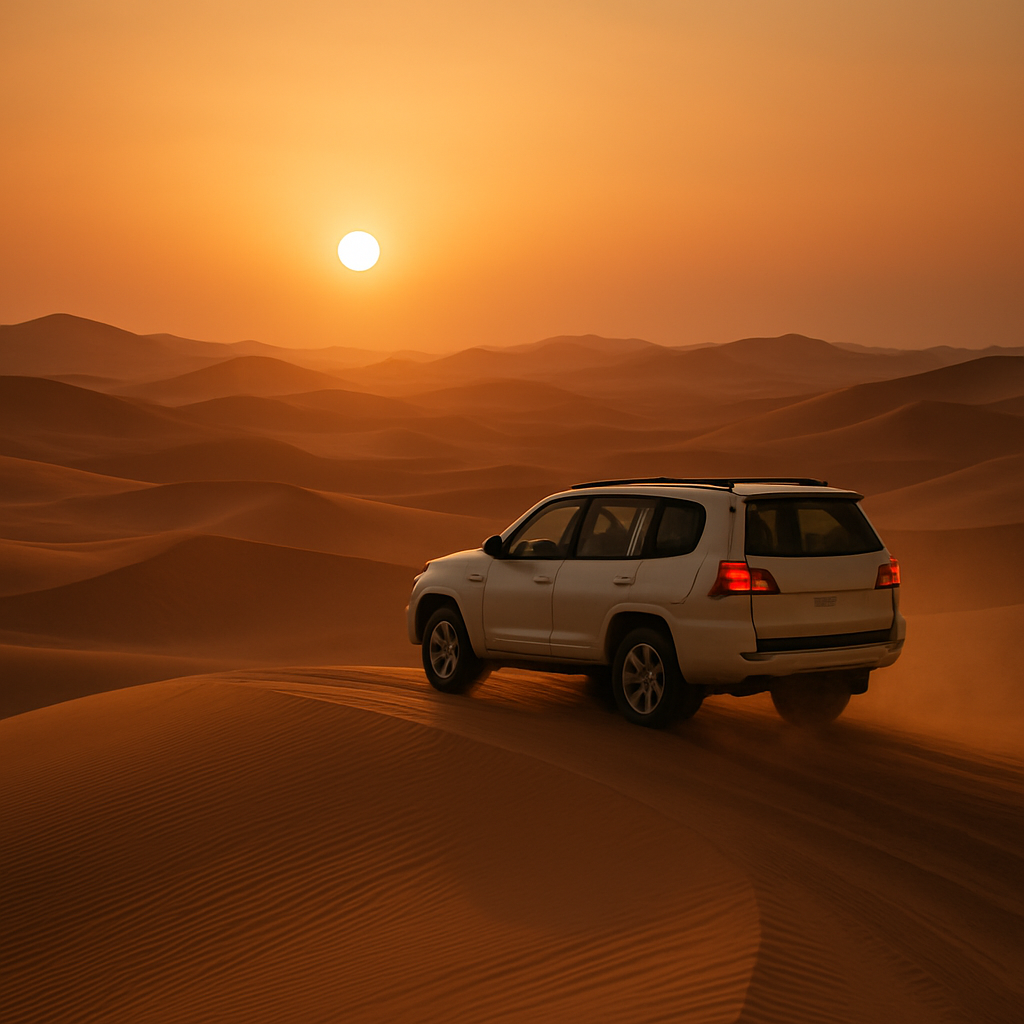
Dune bashing, camel rides, and dinner shows under the stars.
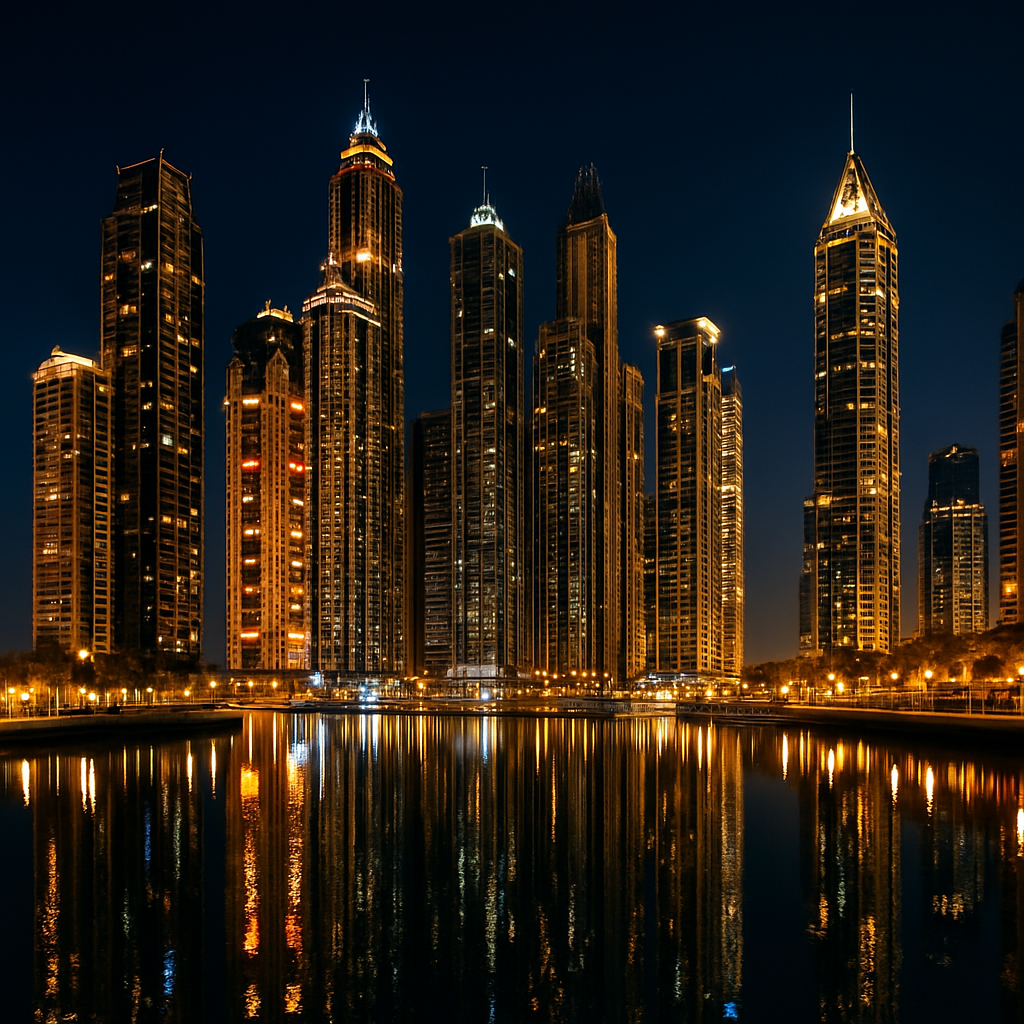
A stylish waterfront for evening walks, cruises, and skyline dining.
Metro lines connect key districts and the airport. Taxis are safe, and ride apps are reliable.
For Abu Dhabi or other regions, use intercity buses or car rentals for flexible day trips.
Domestic flights are quick for longer journeys within the UAE.
Egypt is an easy-to-love adventure with iconic history, warm hospitality, and breathtaking landscapes. Expect lively cities, timeless temples, and slow moments on the river.
Egypt starter kit
Plan a mix of Cairo energy, Luxor temples, and a few slower days on the Nile. Egypt is exciting but friendly for beginners, especially with guided tours.
Best vibe
Cooler months bring clear skies, comfortable city walks, and smooth river cruises.
Signature feel
Golden light, warm stone temples, and a turquoise ribbon of water through the desert.
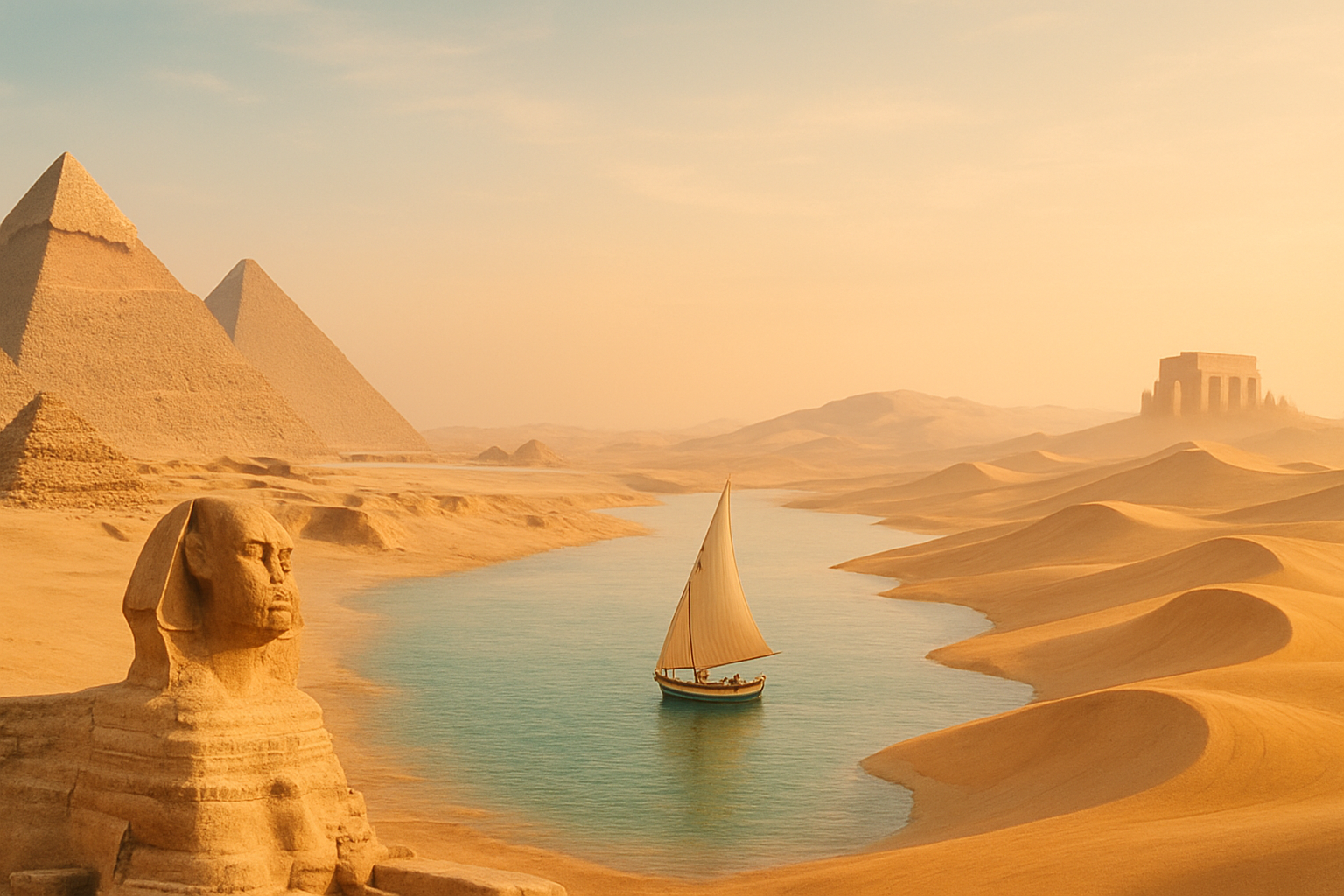
Egypt essentials
Start in Cairo, then head south for temples and a gentle cruise along the Nile.
Pyramids, tombs, and temples that shaped world history.
Bustling souks, warm hospitality, and lively street life.
Golden dunes, oases, and starry desert nights.
Slow river cruises with palm-lined banks and sunset decks.
Visa & entry
Many nationalities use an e-visa or visa-on-arrival. Double-check passport validity and entry rules.
Best time to visit
October to April is cooler and best for sightseeing. Nile cruises are calm and scenic in winter.
Currency & payment
Use Egyptian pound (EGP). Cards work in hotels and malls; carry cash for markets and tips.
Language tips
Arabic is official. Simple phrases: “Salam” (hello), “Shukran” (thank you). English is common in tourist areas.
Top destinations
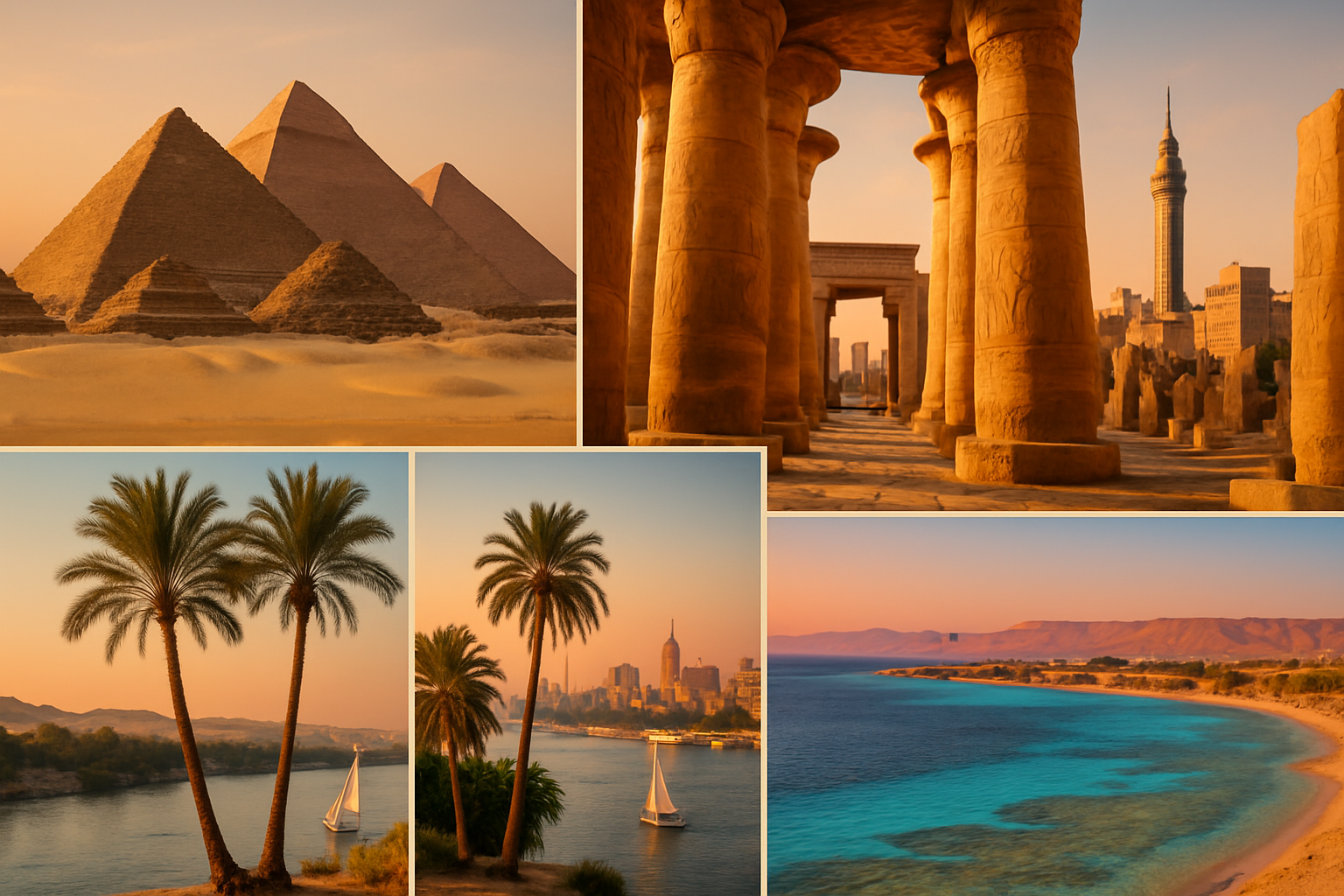
The ultimate ancient wonder with sweeping desert views and the Great Sphinx nearby.
A lively capital with museums, markets, and riverfront neighborhoods.
Temple-lined streets and the Valley of the Kings bring history to life.
Calm river views, island villages, and access to Abu Simbel.
Crystal water, coral reefs, and relaxed beach resorts in Hurghada or Sharm.
In Cairo, the metro is reliable, while taxis and ride apps are widely used.
Domestic flights save time between Cairo, Luxor, and Aswan.
Trains, buses, and Nile cruises connect regions with scenic views.
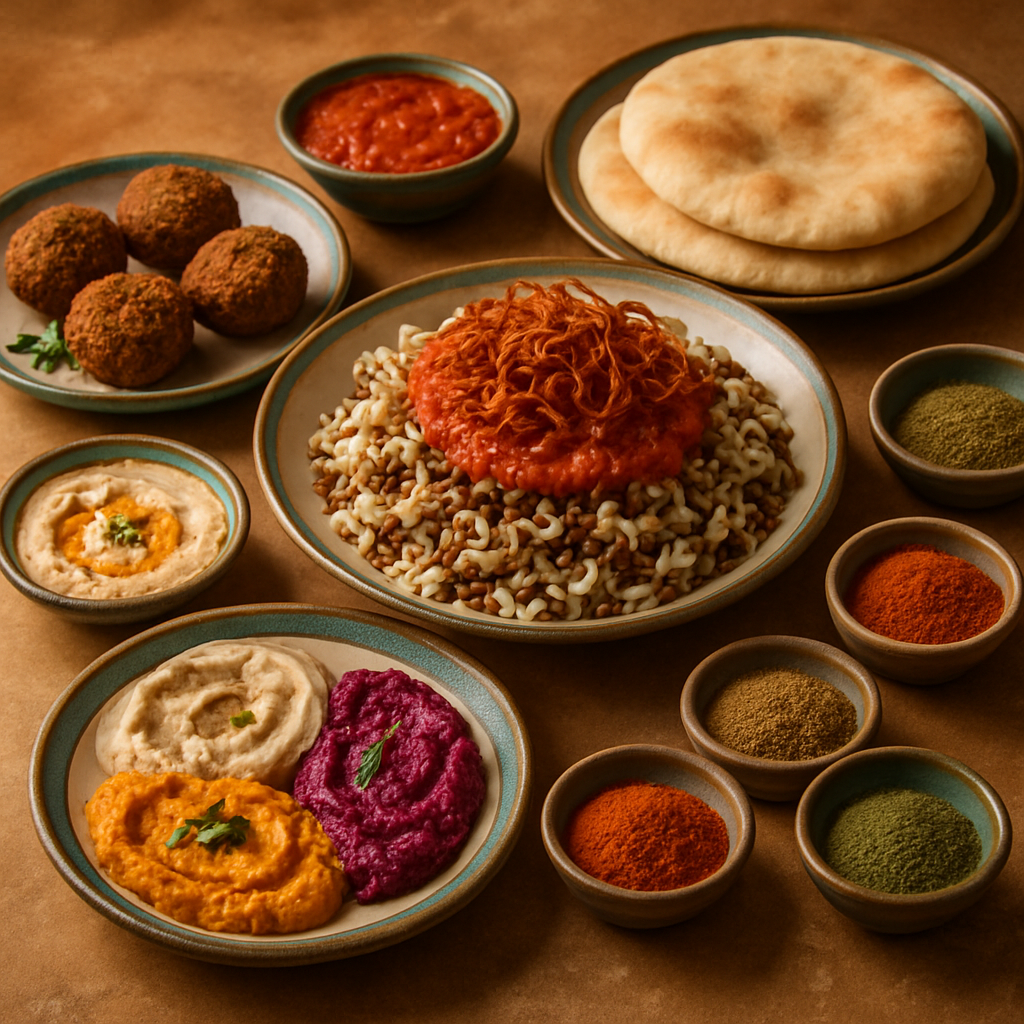
Saudi Arabia is a bold mix of golden deserts, modern cities, sacred heritage, and the fresh Red Sea coast. This beginner-friendly guide helps you plan a safe, comfortable, and unforgettable journey.
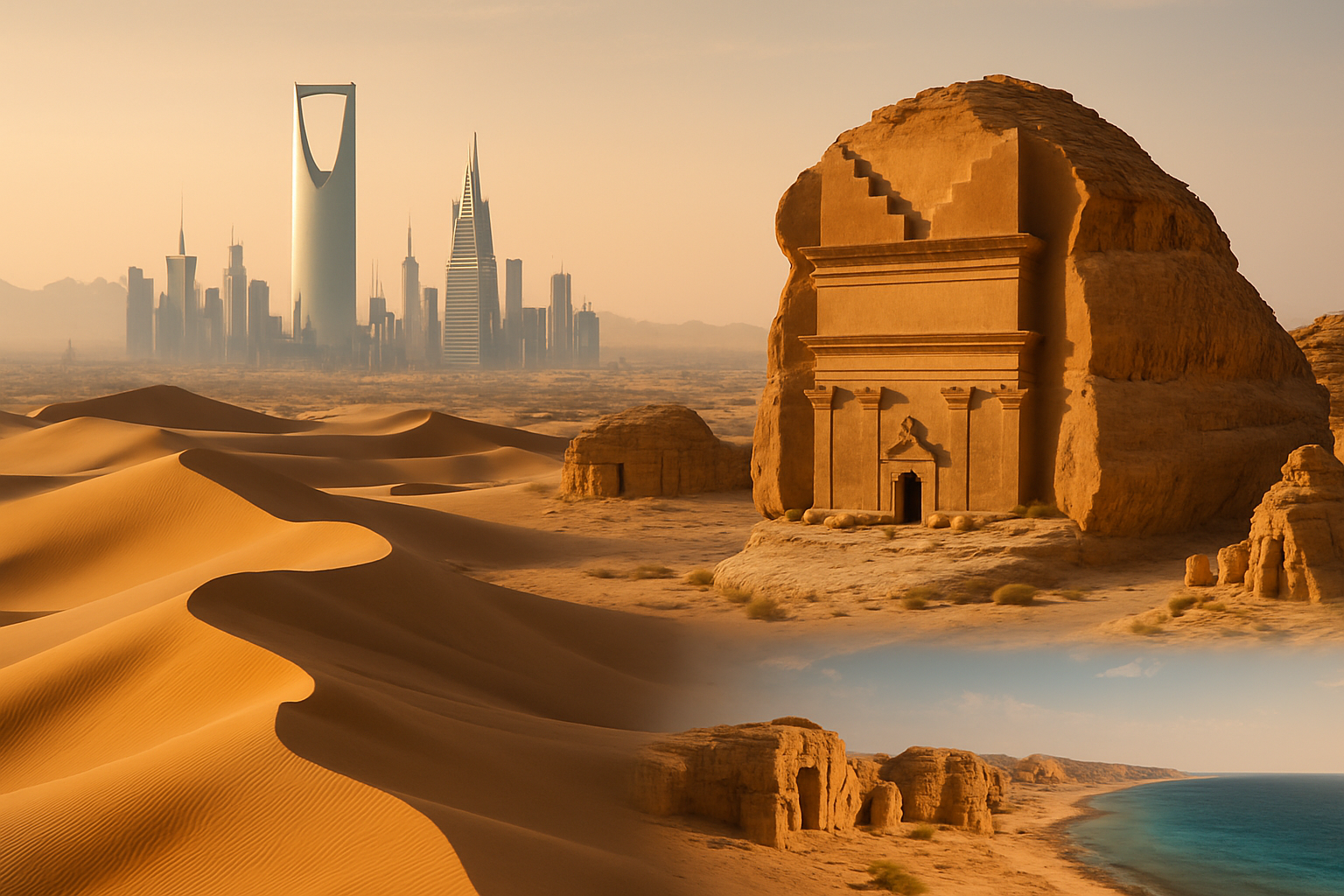
Intro Snapshot
A modern kingdom with deep roots—visit for heritage towns, high deserts, vibrant food, and Red Sea escapes.
History
Ancient caravan routes, rock tombs, and UNESCO sites.
Culture
Warm hospitality, traditional markets, and rich storytelling.
Nature
Golden dunes, dramatic canyons, and lush mountain valleys.
Modern Attractions
Skyline viewpoints, museums, and futuristic districts.
Religious Landmarks
Historic mosques and spiritual heritage in sacred cities.
Visa & Entry
Many travelers can use the e-visa or visa on arrival. Keep passport valid for 6 months.
Best Time to Visit
November to March is cooler for desert trips and city walks.
Currency & Payments
Saudi Riyal (SAR). Cards and mobile payments are common in cities.
Language
Arabic is official. English is widely used in tourist areas.
Hello: Marhaban • Thank you: Shukran
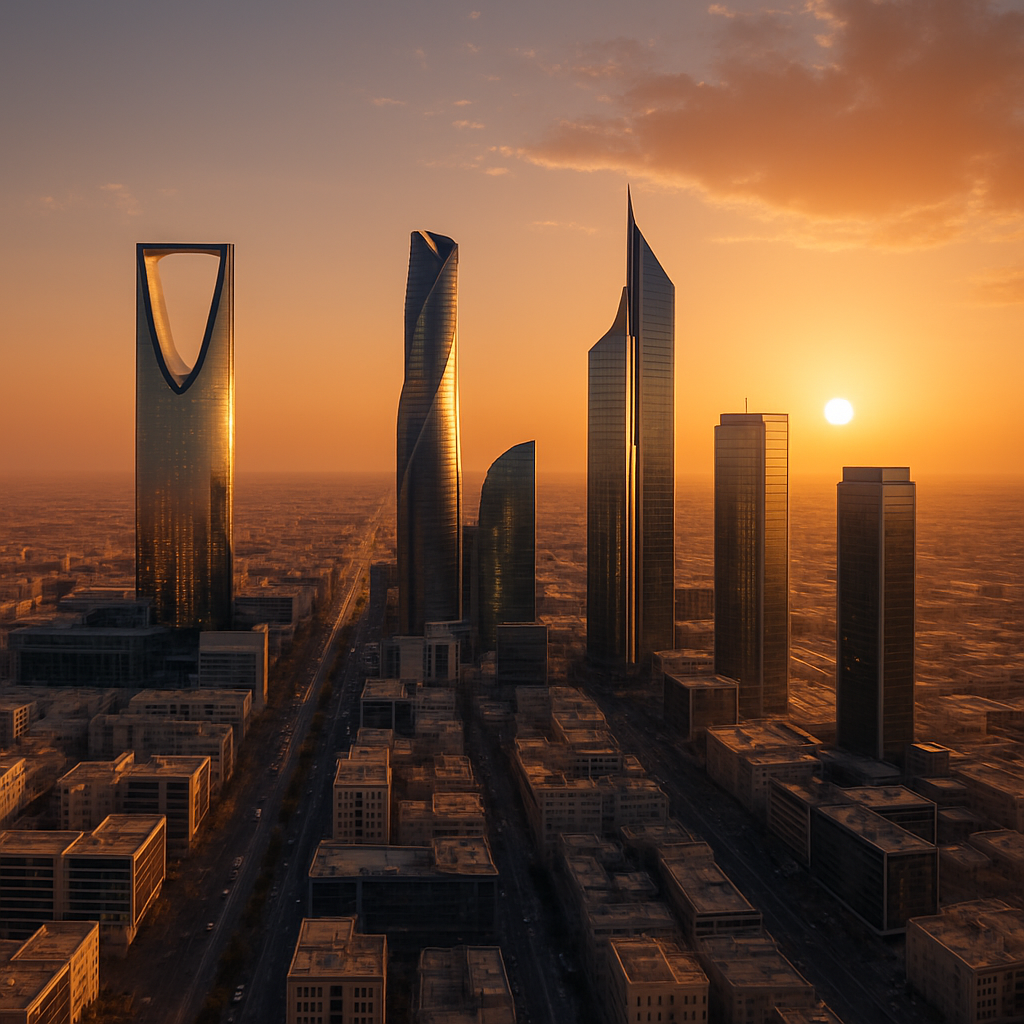
Capital energy with museums, modern boulevards, and heritage forts.
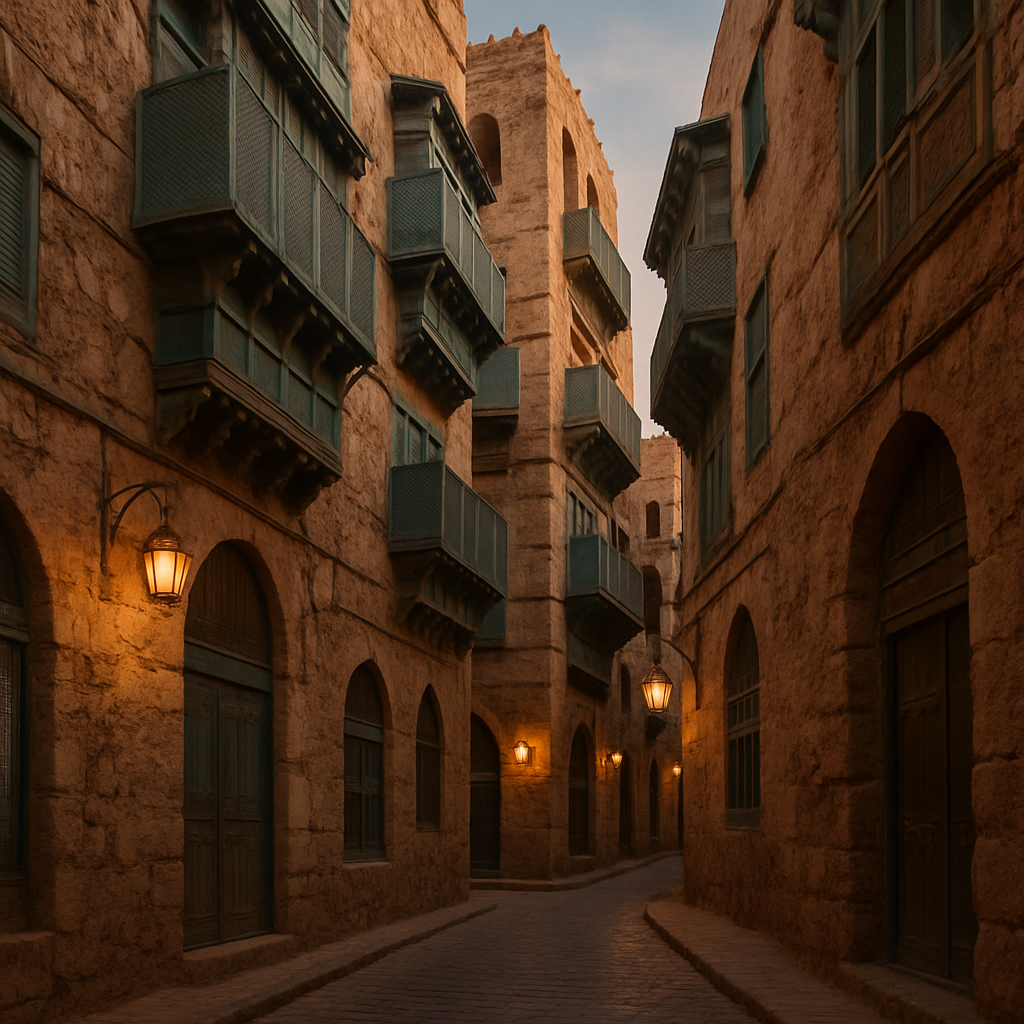
Seaside city with historic Al-Balad, art districts, and Red Sea sunsets.
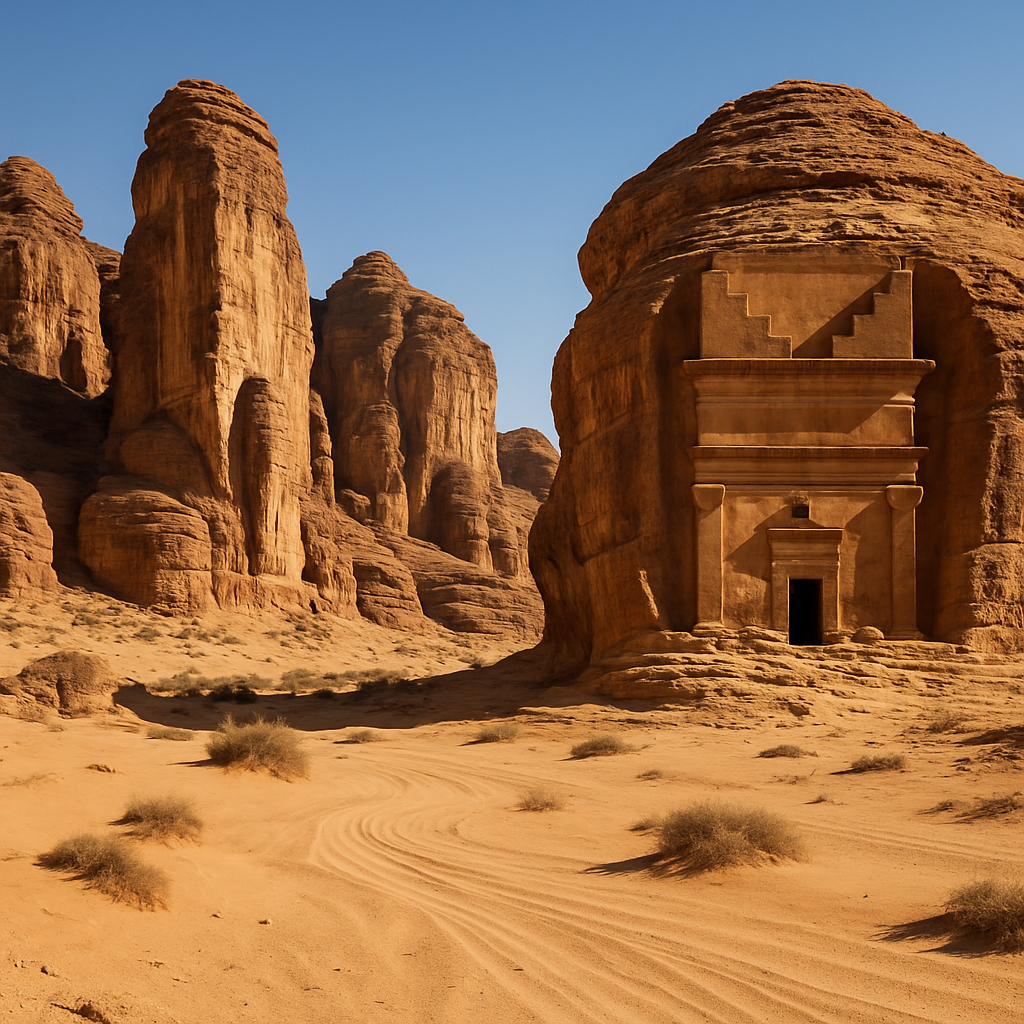
Epic desert landscapes, Hegra tombs, and open-air art installations.
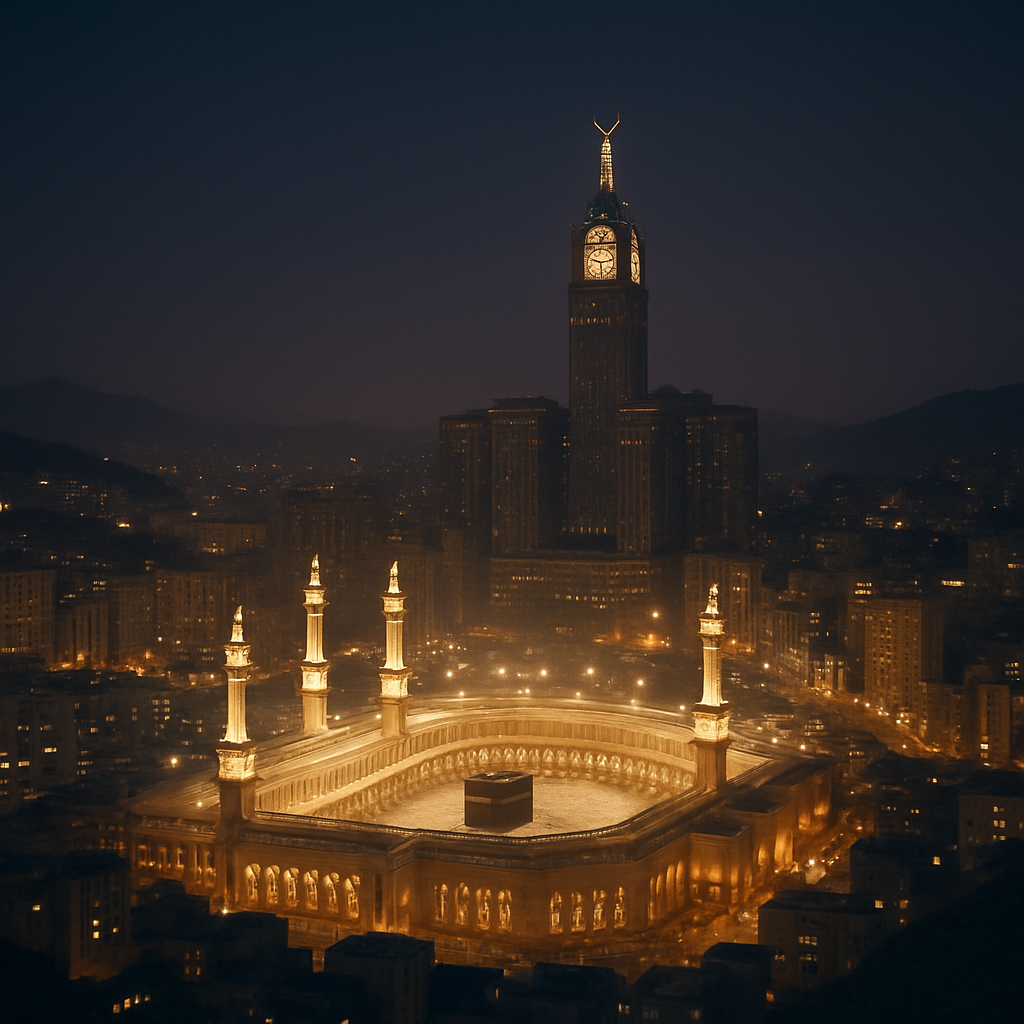
Sacred city of Islam, visited for spiritual journeys and deep history.
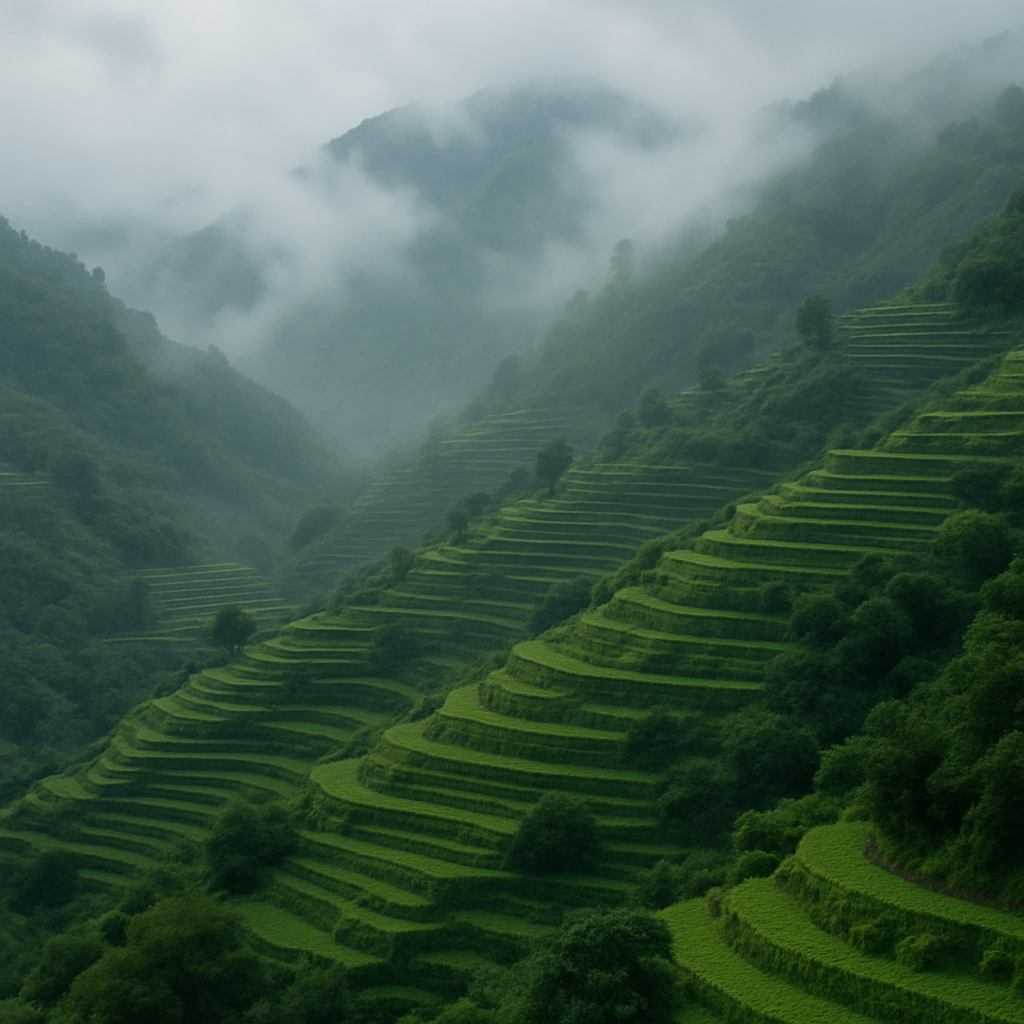
Cooler mountain city with forests, cable cars, and misty valleys.
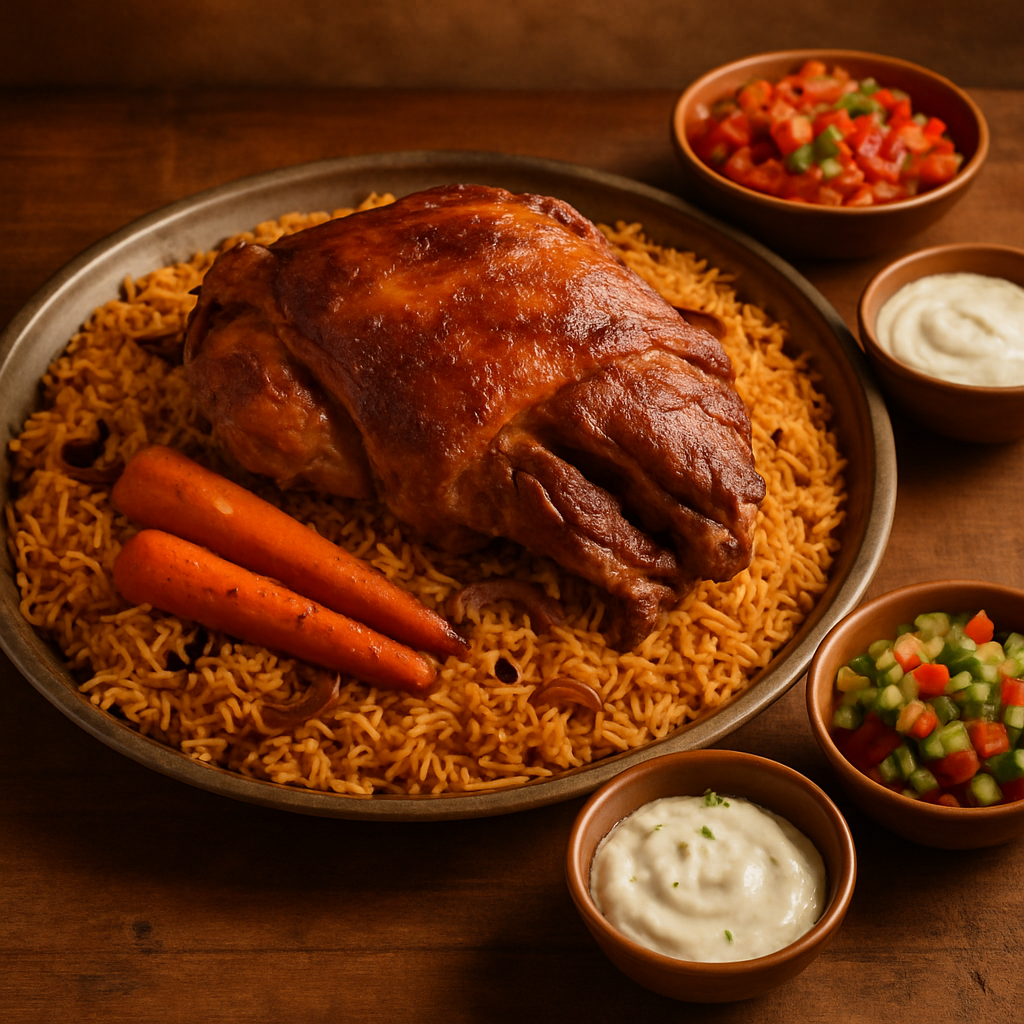
Try kabsa rice, jareesh, and crispy samboosa. Eat with the right hand, and accept tea or coffee as a sign of hospitality.
Cultural festivals peak in winter, with music, markets, and heritage shows.
Indonesia is a tropical dream made of thousands of islands. Expect warm beaches, misty volcanoes, vibrant cities, and deep cultural traditions. This guide keeps it simple and friendly, so first-time visitors can plan with confidence.
From Bali’s beaches to Java’s ancient temples, Indonesia blends adventure with calm. Plan for island-hopping, slow sunsets, and welcoming smiles.
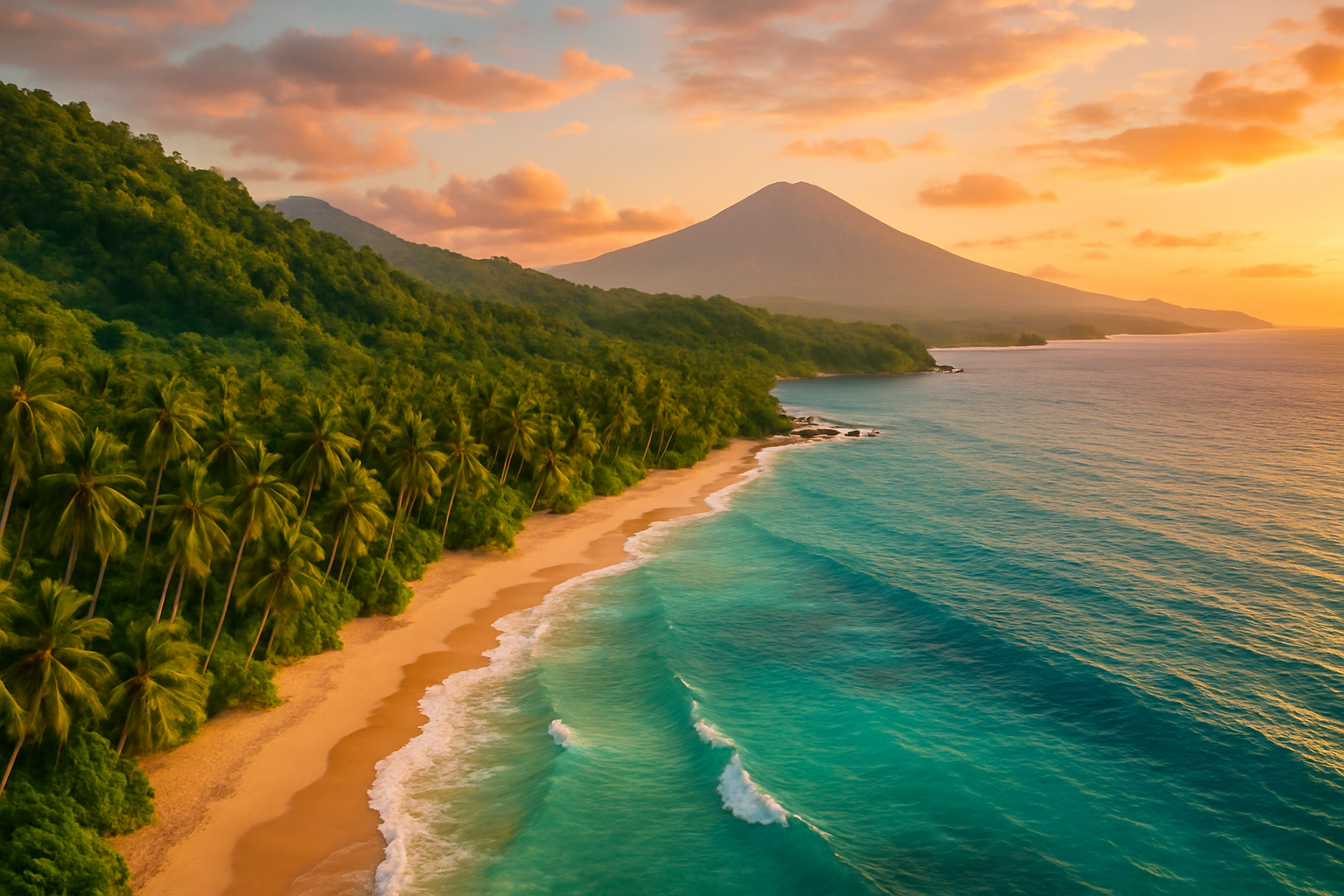
Beaches, volcanoes, jungles, and temples in one journey.
Hop between Bali, Java, Lombok, and beyond for varied landscapes.
Temples, local crafts, and ceremonies offer deep cultural insight.
Street food and home cooking are affordable and delicious.
Volcano trails, coral reefs, and lush jungles are everywhere.
Surfing, diving, trekking, and wildlife tours for all levels.
Many travelers can use visa on arrival. Check your passport validity and entry rules before booking.
Dry season is typically Apr–Oct. Rainy season brings afternoon showers and greener landscapes.
Indonesian rupiah (IDR). Cash is common in markets; cards work in bigger towns and hotels.
Useful phrases: “Terima kasih” (thank you), “Halo,” and “Tolong” (please).
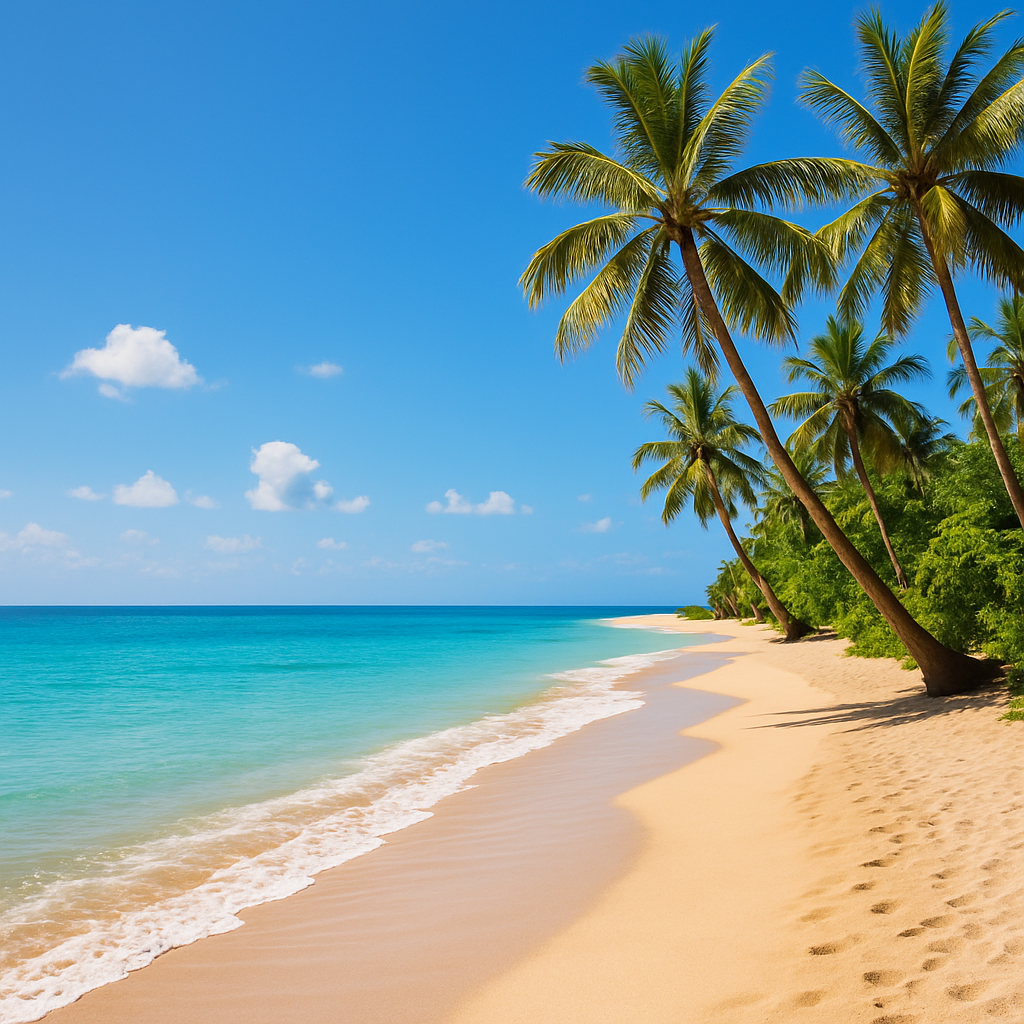
Perfect for beaches, wellness, and sunsets. Ubud offers rice terraces and art.
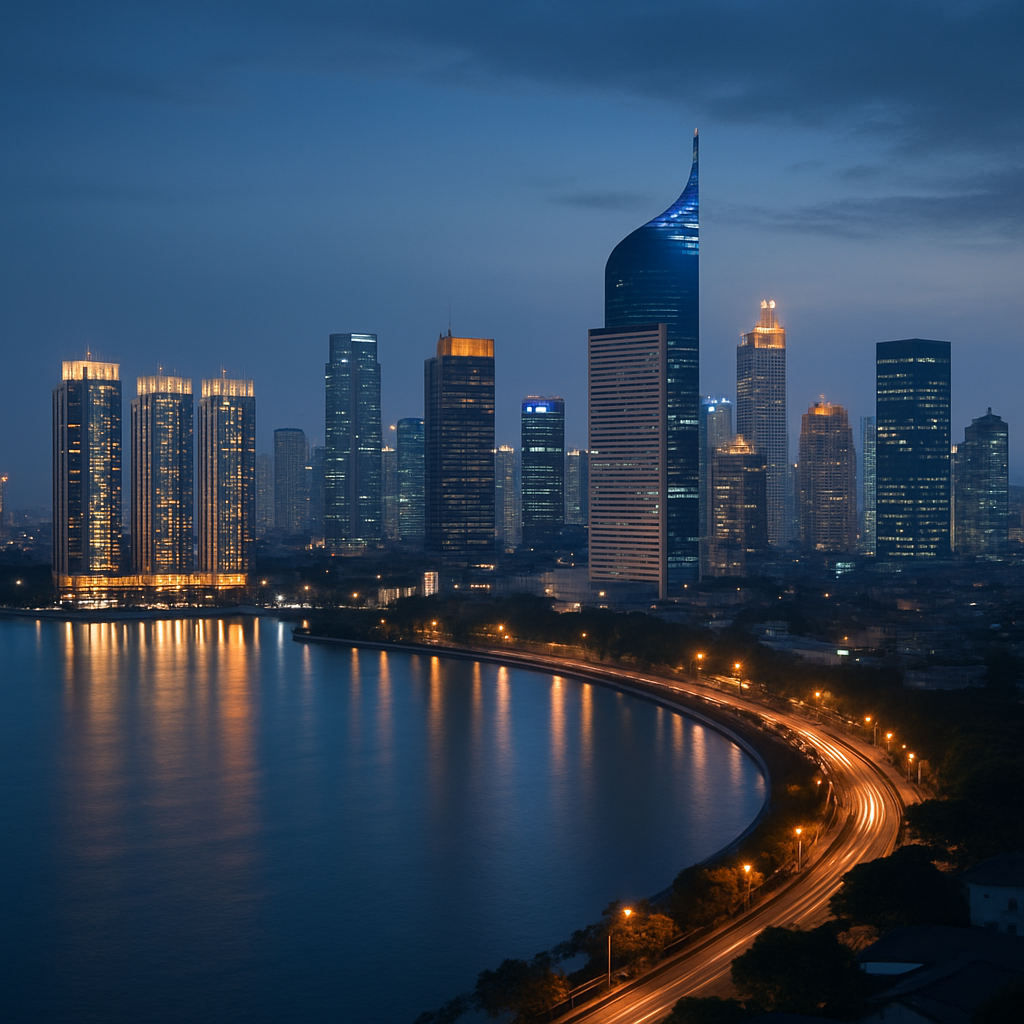
A busy capital with museums, street food, and great shopping before island trips.
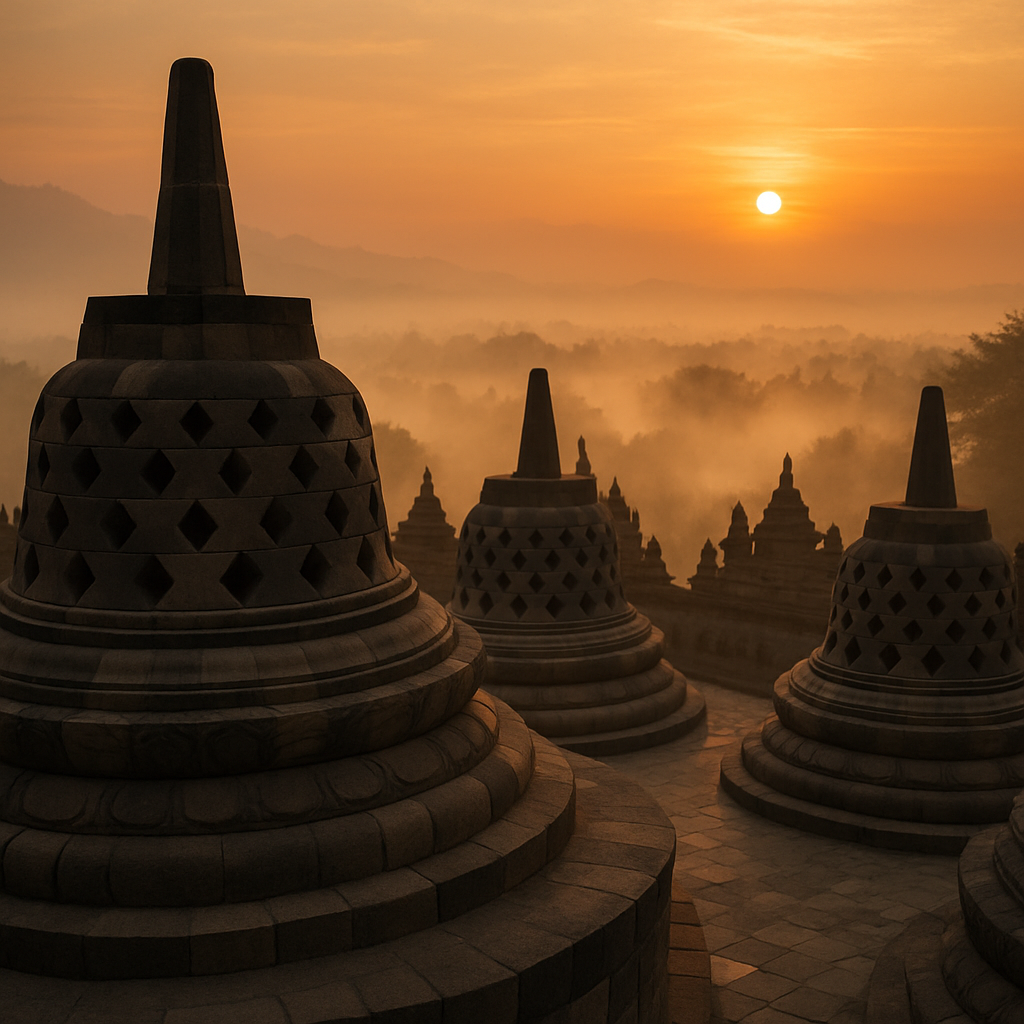
A UNESCO temple near Yogyakarta with sunrise views and peaceful stone carvings.
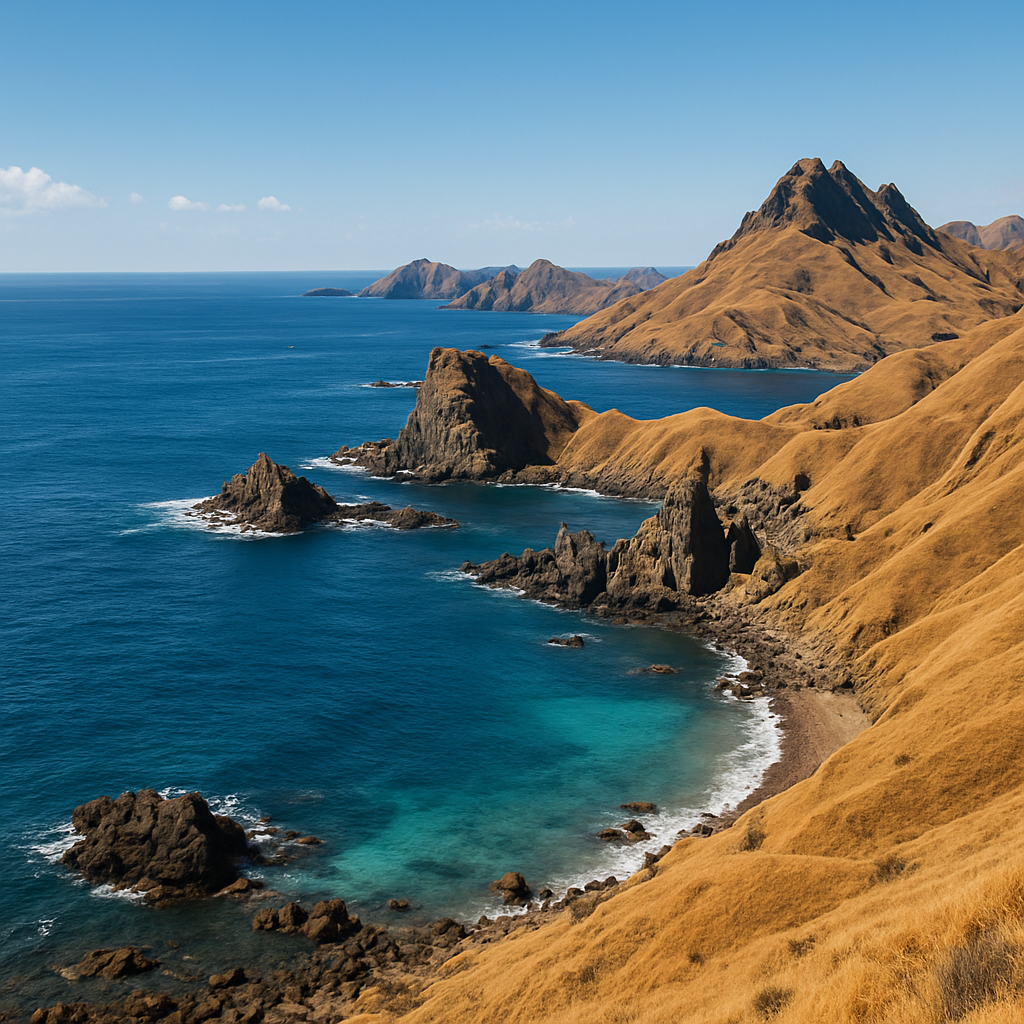
See Komodo dragons and snorkel with manta rays in crystal waters.
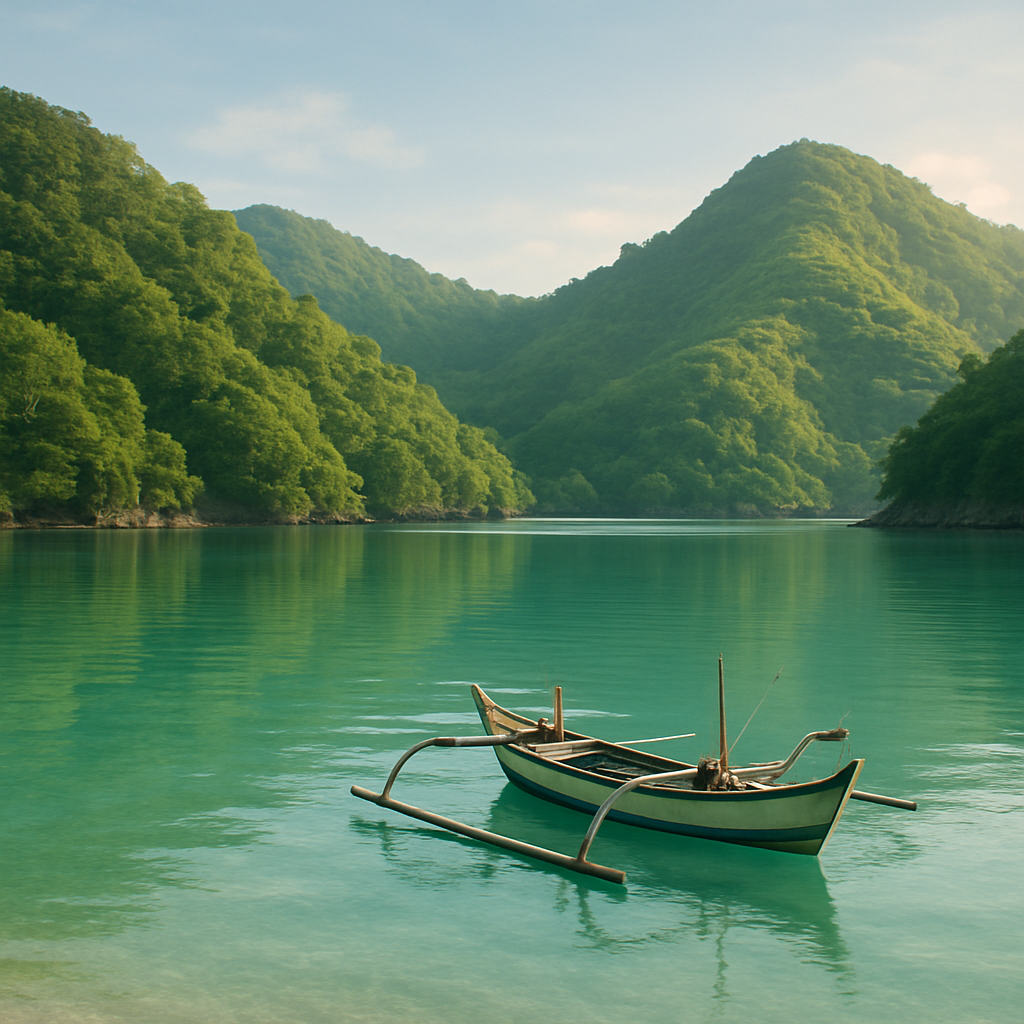
Less crowded beaches, waterfall hikes, and a gateway to Mount Rinjani.
Try nasi goreng, satay, rendang, and fresh seafood. Many meals are shared, so ask before starting. Dress modestly at temples, and enjoy festivals with local respect.
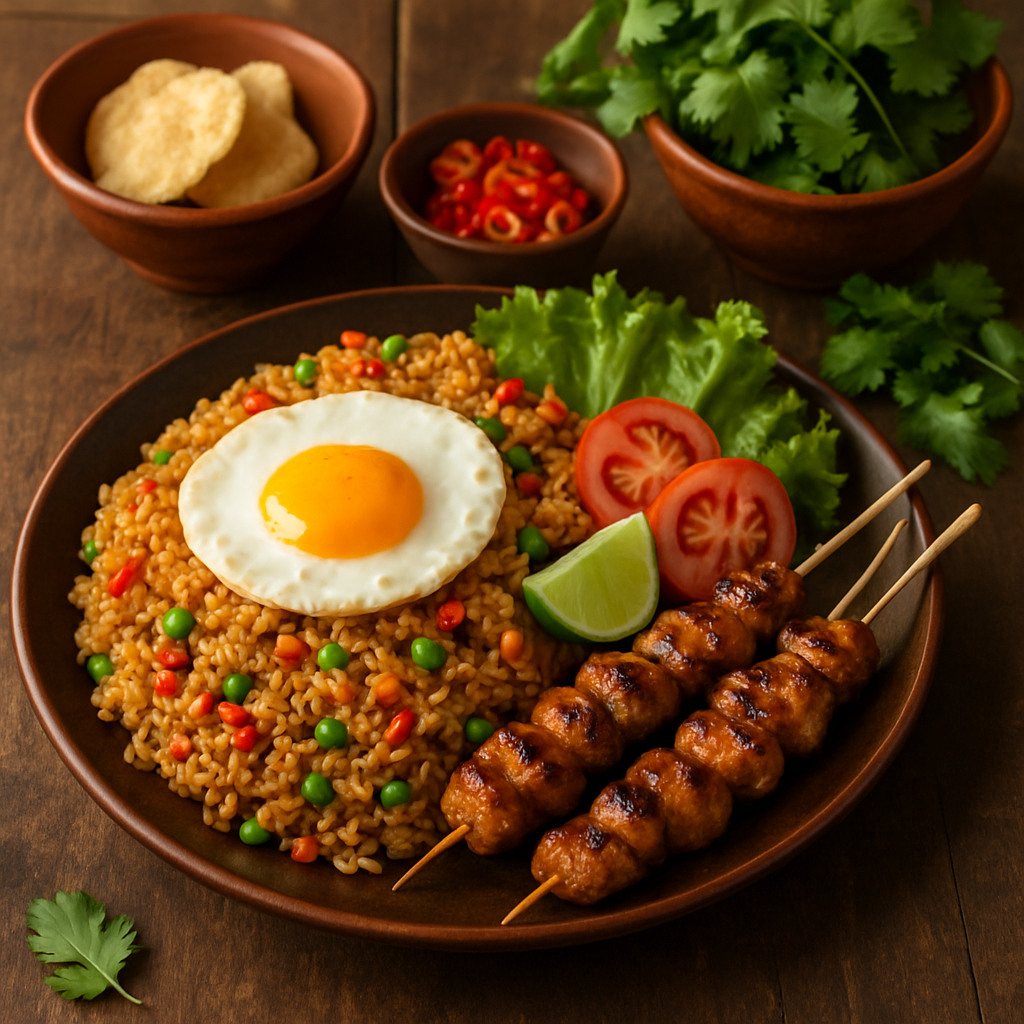
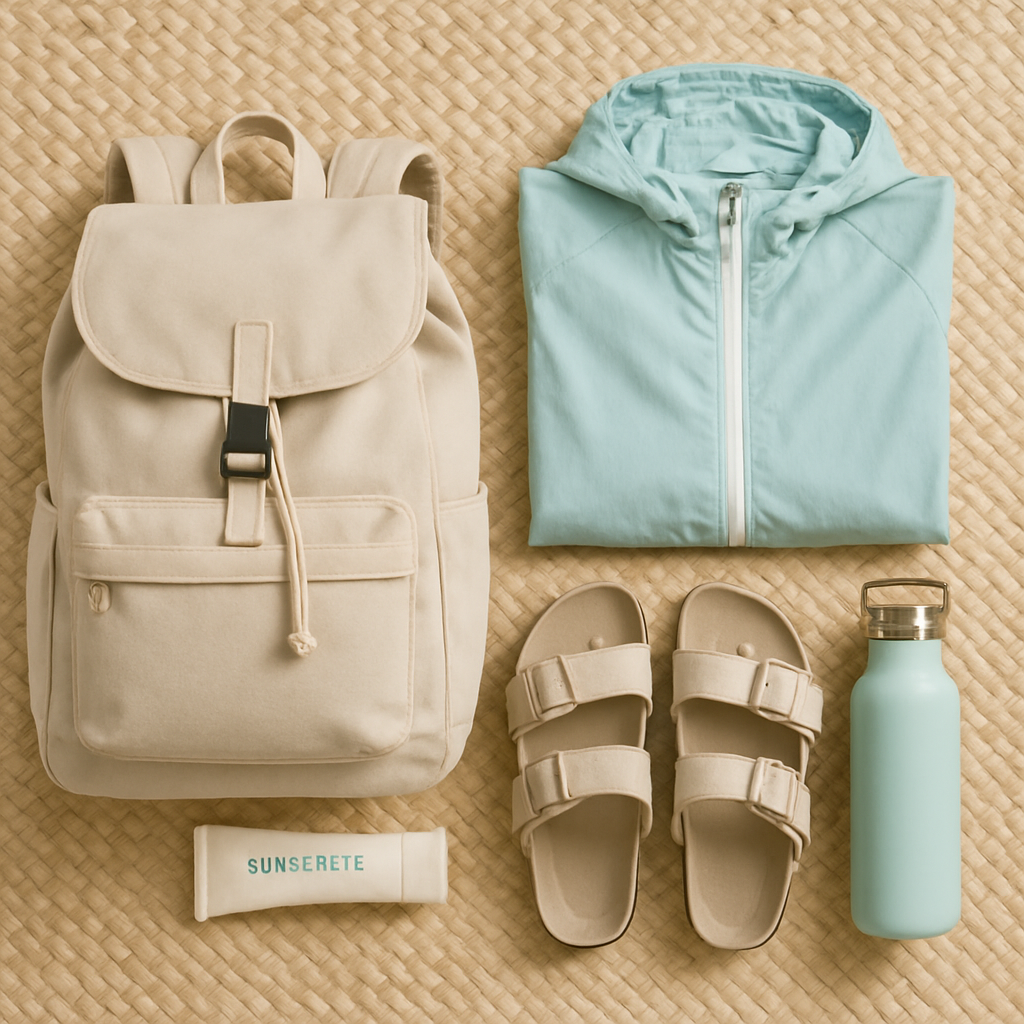
Indonesia can be very affordable. Street meals and local guesthouses keep costs low, while island tours and diving cost more.
Ethiopia is a welcoming, adventurous destination with dramatic mountains, ancient rock-hewn churches, desert landscapes, and vibrant coffee culture. This guide helps first-time travelers plan a confident, memorable trip.
Intro Banner
Ethiopia offers some of Africa’s most unique experiences: sunrise over the Simien Mountains, rock-hewn sanctuaries in Lalibela, and the otherworldly colors of the Danakil Depression. Add warm hospitality, coffee rituals, and festivals, and you have a destination that rewards curious travelers.
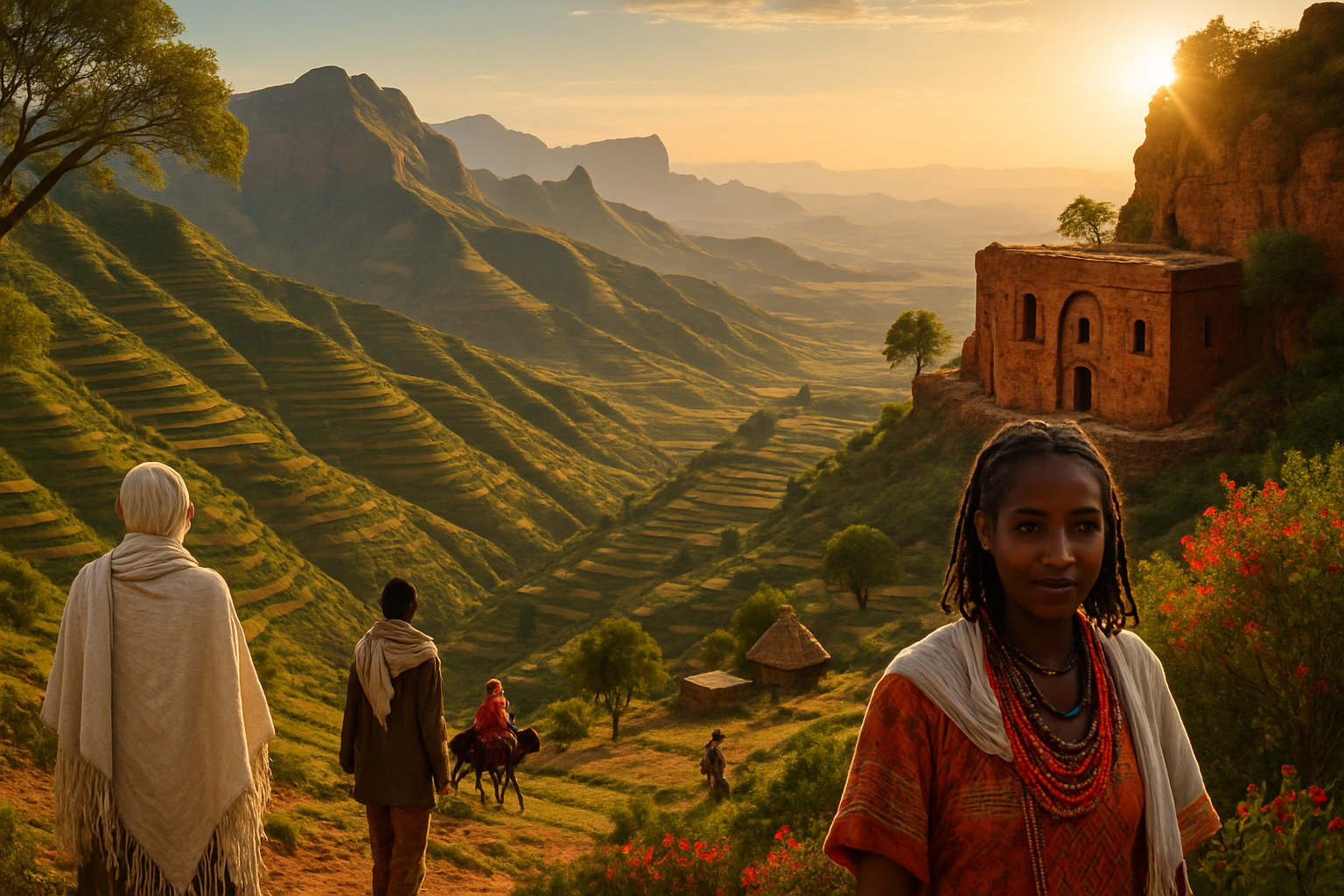
Ethiopia at a glance
Mountains, monasteries, and markets in one unforgettable journey.
Five reasons travelers fall in love with Ethiopia.
UNESCO churches, castles, and one of the world’s oldest cultures.
Colorful markets, music, and community coffee ceremonies.
Highland cliffs, deep valleys, and the Danakil desert.
Birthplace of coffee with rich aromas and local cafes.
Timket and Meskel celebrations bring cities to life.
Plan your entry, timing, money, and language basics.
Most visitors need an e-visa. Check passport validity and print your approval.
Dry season is Oct–Mar. Rainy season Jun–Sep means greener views but slower travel.
Ethiopian birr (ETB). Carry cash for smaller towns; cards work in major hotels.
Amharic basics: “Selam” (hello), “Amesegenallo” (thank you).
Five unforgettable places to add to your route.
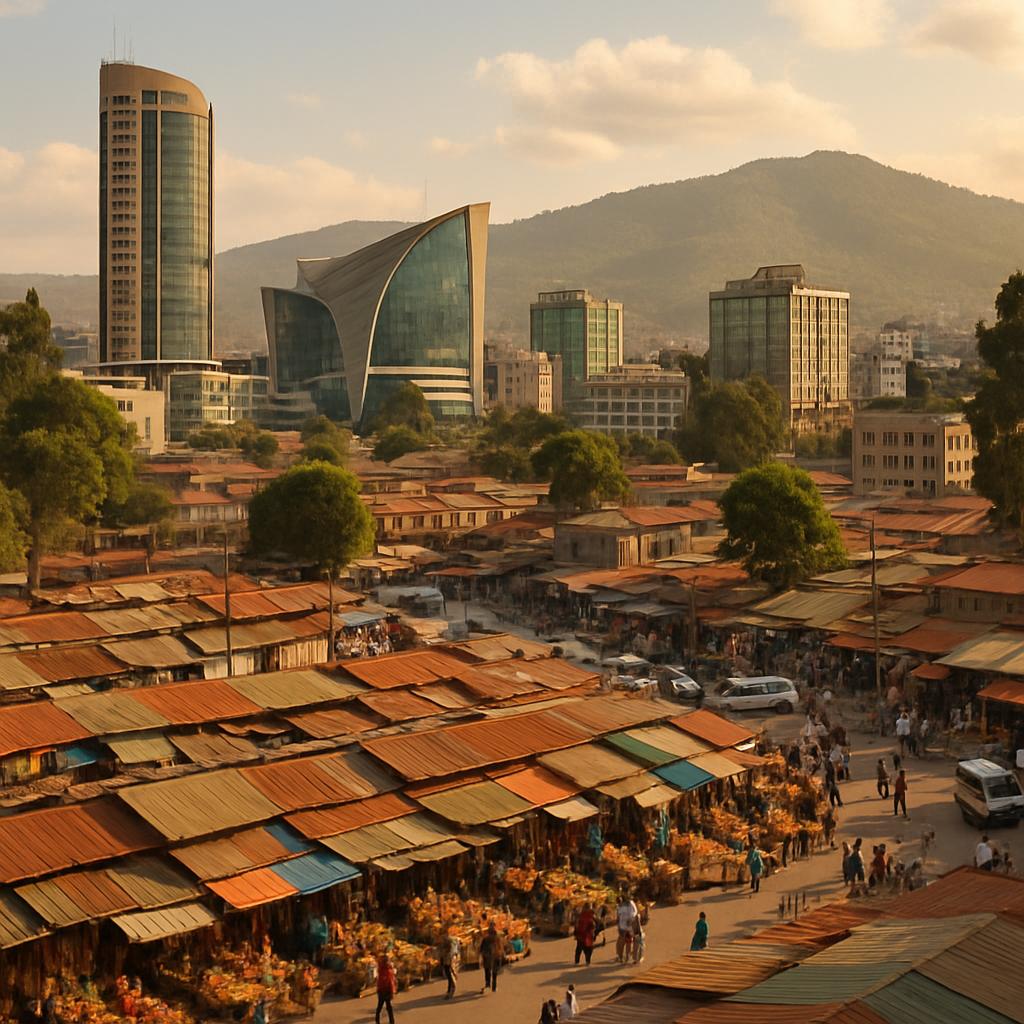
Start here for museums, coffee culture, and a lively food scene.
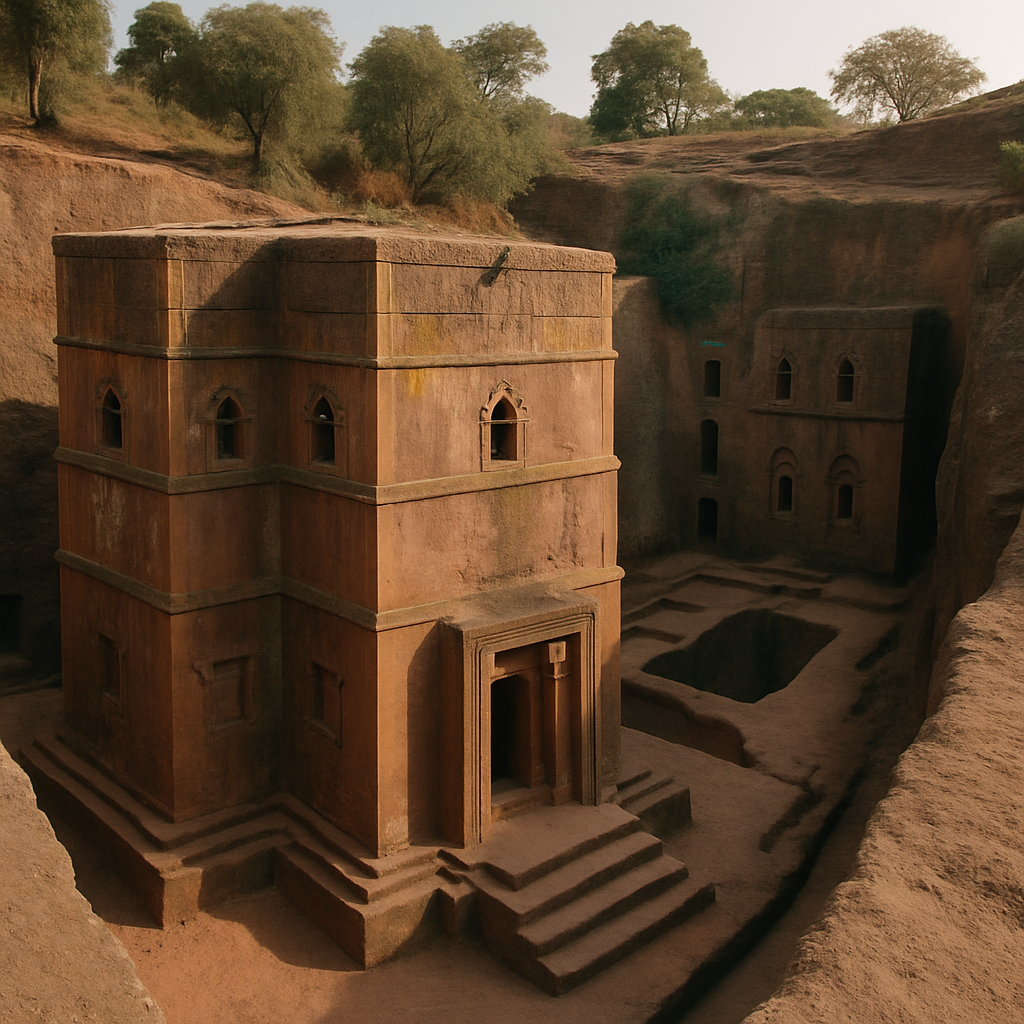
Explore 11 rock-cut churches and spiritual ceremonies in a sacred setting.

Hike dramatic highlands and spot gelada baboons and soaring eagles.
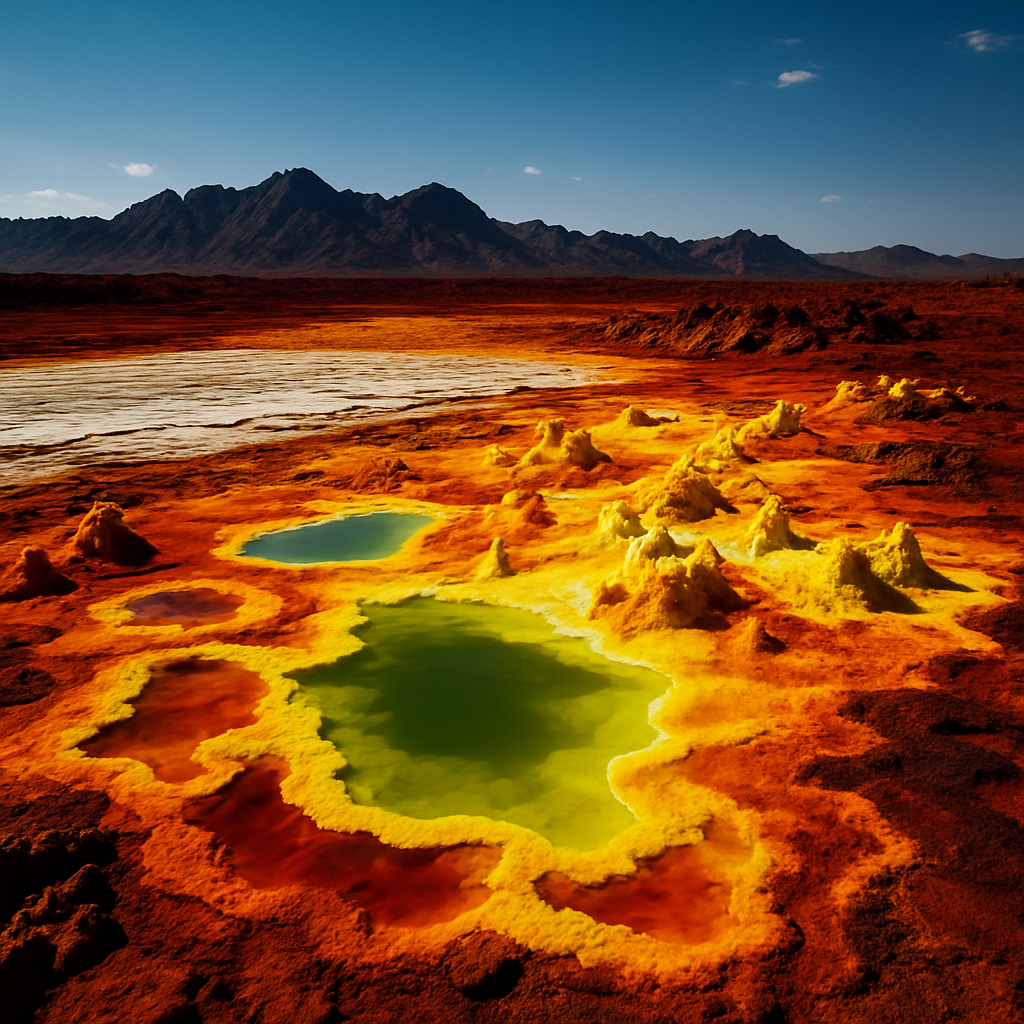
See salt flats, lava fields, and sulfur pools on guided desert tours.
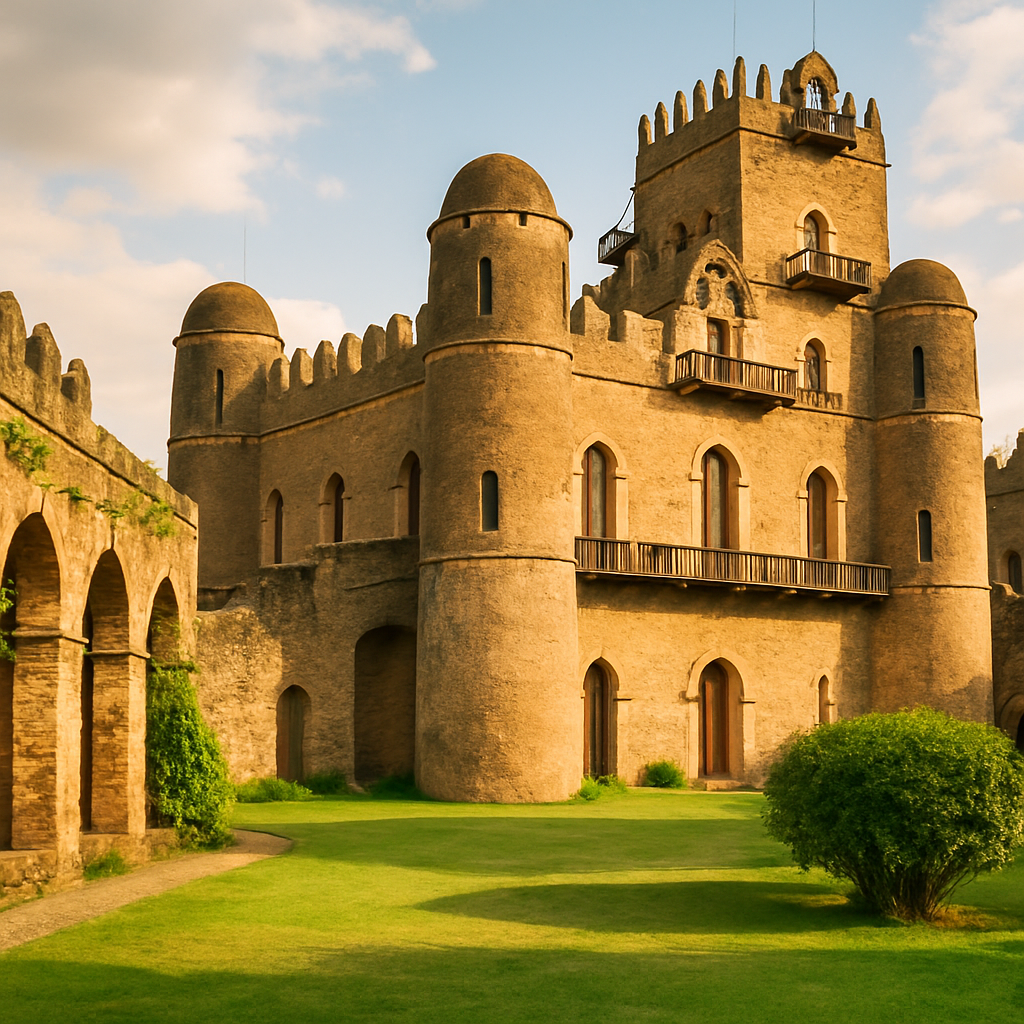
Discover royal castles, historic churches, and frescoed interiors.
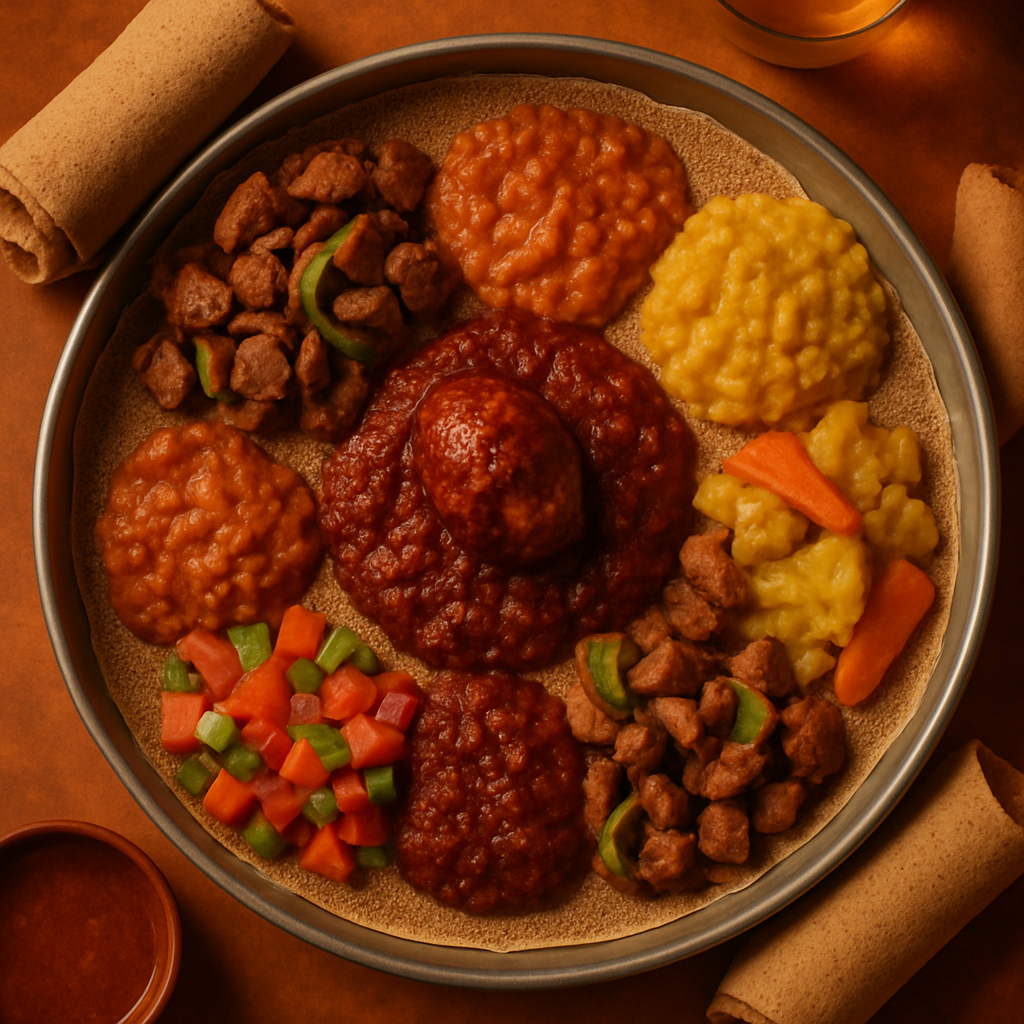
Try injera with flavorful stews like doro wat and tibs. Meals are often shared on one plate and eaten with your right hand. Respect local customs, dress modestly in religious sites, and seek out festivals like Timket for unforgettable ceremonies.
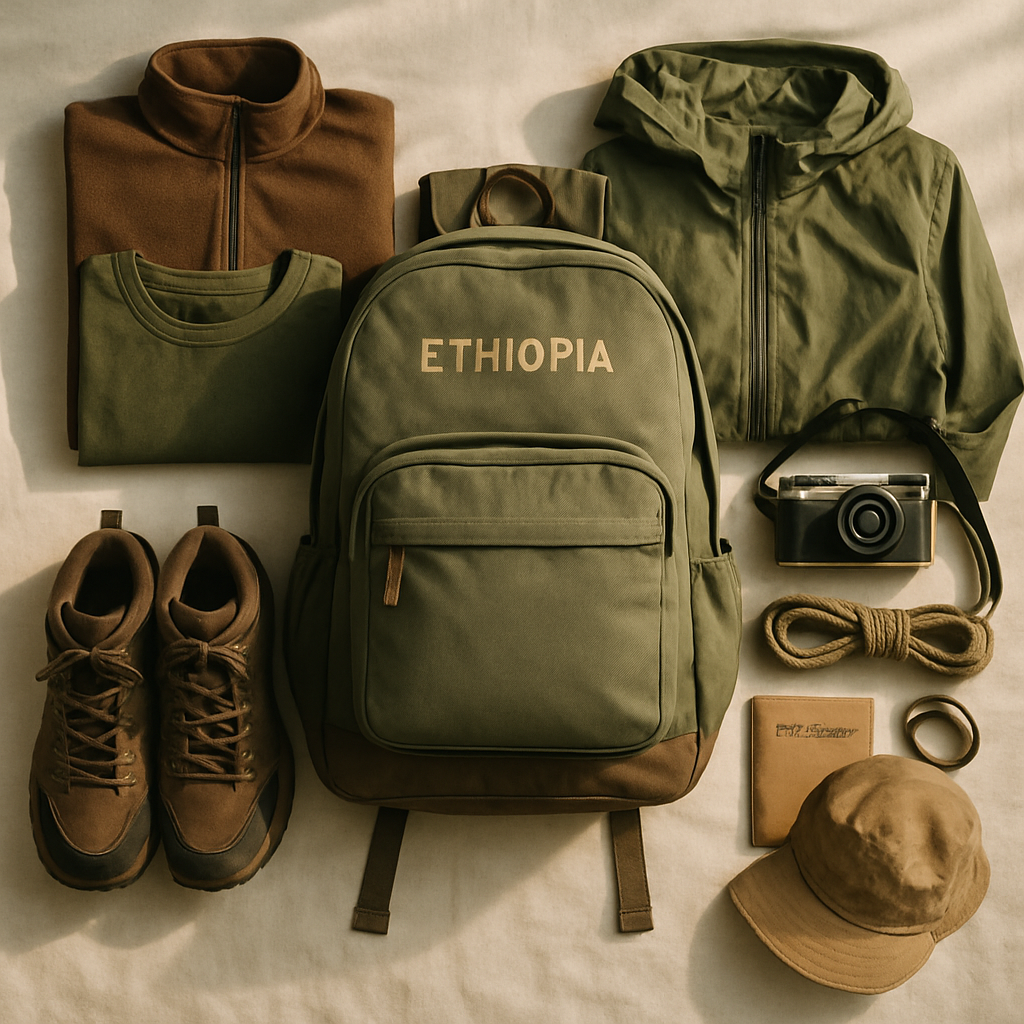
Bring layers for cool highlands, light clothing for hot lowlands, and a rain shell in the wet season. Essentials include sturdy shoes, sunscreen, a refillable water bottle, and modest attire for churches.
Mid-range travelers spend about 40–70 USD per day. Save by using buses, booking group tours, and eating at local restaurants. Cash is king in smaller towns.
Budget stays
15–30 USD
Meals
3–8 USD